Czech Easter traditions involve disturbing practices that shock many, especially foreigners. This blog explores the implications of these customs on gender dynamics, consent, and societal attitudes towards abuse, highlighting the need for change.
Czech Easter is a tradition that horrifies many, especially those unfamiliar with its practices. This blog post delves into the unsettling aspects of this holiday, particularly how it affects young girls and women in Czech society.
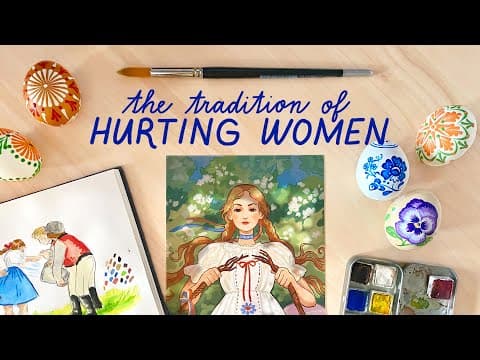
Imagine being a young girl in the Czech Republic during Easter. You open your door to find a group of your male classmates, who promptly douse you with cold water and hit you with woven wooden sticks. This is not a scene from a horror movie; it is a reality for many girls during this holiday. After this initial shock, older men from the neighborhood join in, repeating the same actions. The expectation is that you will reward them with chocolate and eggs you have painted yourself, all while thanking them for their visit.
This tradition, while intended to symbolize youthfulness and health, raises serious concerns. The idea that girls should endure such treatment under the guise of celebration is troubling. The supposed lightness of the beating is often overshadowed by the reality of bruises and discomfort.
The Czech Easter tradition reflects deeper societal issues regarding gender dynamics. It teaches young boys that it is acceptable to hit girls when the circumstances seem appropriate, while girls are conditioned to endure this treatment. The narrative often shifts blame onto the girls, suggesting they should simply accept this behavior because it occurs only once a year.
This normalization of violence against women is alarming. It perpetuates a culture where consent is overlooked, and a girl's refusal is often dismissed. The tradition reinforces harmful stereotypes and behaviors that can lead to more severe issues, such as domestic violence and sexual abuse.
The implications of these traditions extend into the legal realm. The Czech legal system has historically struggled with appropriately punishing abusers. Recent changes in the law regarding consent are a step forward, but the enforcement of these laws remains inconsistent. For instance, cases of sexual abuse often result in minimal consequences for the perpetrators, further perpetuating a culture of victim-blaming.
The societal response to these issues is equally troubling. Victims of abuse often face skepticism and dismissal, with many people, including women, trivializing their experiences. Comments such as "You're overreacting" or "It's not that bad" are common, indicating a deep-seated reluctance to confront the realities of abuse.
Despite the grim nature of these traditions, there is hope for change. Many women are beginning to share their experiences and challenge the normalization of such practices. Social media has become a platform for these voices, allowing for a broader discussion about the implications of Czech Easter traditions.
The artwork created in response to these experiences serves as a powerful reminder of the need for change. It symbolizes breaking free from the cycle of violence and encourages women to assert their boundaries. The message is clear: discomfort should be acknowledged, and a woman's voice must be heard.
Czech Easter traditions, while steeped in history, represent a troubling aspect of societal norms that need to be reevaluated. The practices surrounding this holiday highlight significant issues regarding gender dynamics, consent, and the treatment of women in society. As more individuals speak out against these traditions, there is hope for a future where such practices are no longer accepted. The call for change is not just about Easter; it is about creating a society where respect and consent are paramount, and where every individual's voice is valued.