The Carnival of Venice, known for its stunning masks, has a rich history dating back to 1094, where masks served to equalize social classes and allow anonymity. The tradition faced decline but was revived post-World War II, leading to the vibrant celebrations we see today, including iconic masks like Bauta and Pantalone.
Imagine a world where social classes vanish and everyone is equal, even if just for a day. Welcome to the Carnival of Venice, where masks hold the power to transform. The Carnival of Venice, Italy, is one of the biggest and most famous carnivals in the world, and this post delves into the fascinating history of this celebration and its world-renowned masks.
The first evidence of the Carnival of Venice dates back to a document from the Doge Vital Falier in 1094, although festivities likely occurred even before that year. The Carnival was established by the aristocracy of Venice to provide the poorer families with an opportunity to celebrate, dance, and enjoy the city. Masks were used to erase social differences, allowing everyone to participate anonymously. Instead of greeting someone with "Buongiorno," people would say "Buongiorno Signora Maschera," or "Mr. Mrs. Mask."
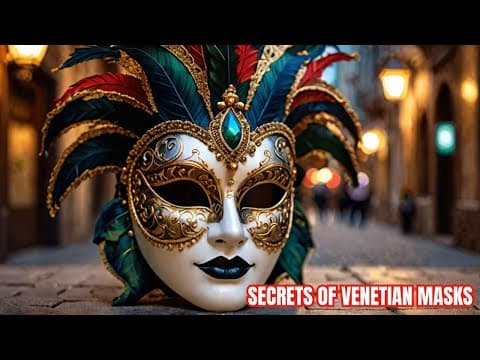
As the popularity of the Carnival grew, the Guild of Mascari was formed and recognized as a profession by the Serenissima Republic, enjoying special laws and privileges. Masks were crafted from materials such as clay, papier-mâché, and plaster, and were decorated with drawings, embroideries, beads, and plumage.
Among the various masks, several stand out:
These masks were not only used during the Carnival but also played a significant role in the Commedia dell'arte, a form of improvisational theater that became popular in Venice, with characters based on these iconic masks.
Unfortunately, the Carnival faced a significant decline due to the domination of the Austro-Hungarian Kingdom over Venice, which led to the cessation of celebrations. The Carnival was also banned during the fascist era from 1922 to 1943. However, after World War II, local artisans and Venetians worked to restore this ancient tradition. Today, if you visit Venice during the Carnival, you can witness some of the most beautiful masks in the world, which have even been represented in Hollywood films, such as Stanley Kubrick's "Eyes Wide Shut."
In contemporary Venice, you can find a variety of masks, from classic designs to more fantastical creations, often set against the backdrop of iconic locations like the Bridge of Sighs. The Carnival continues to be a vibrant celebration of Italian traditions, attracting visitors from around the globe.
If you're interested in exploring more about the Carnival's main events or looking for recommendations on where to buy masks, such as the flea market located in Campiello Morosini, there are plenty of resources available.
The history of Venetian masks is not just about their beauty but also about their role in fostering equality and anonymity during the Carnival. As you immerse yourself in the festivities, remember the rich traditions and stories behind each mask. Have you experienced the Carnival of Venice? What did you think of the masks? Share your thoughts in the comments and subscribe for more insights into fascinating traditions around the world.