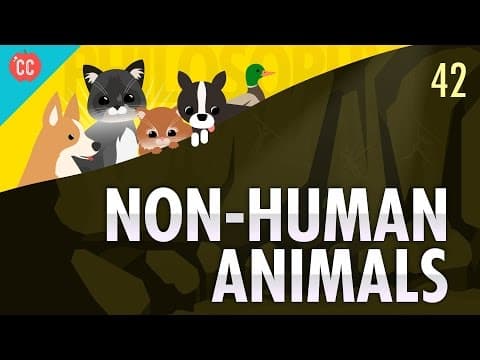
This blog post delves into the ethical considerations surrounding our treatment of non-human animals, exploring concepts like speciesism, the moral implications of animal use, and the arguments presented by philosophers such as Peter Singer and Carl Cohen.
The death of Cecil the lion in 2015 at the hands of an American hunter sparked outrage and horror across the globe. This incident raised profound questions about our moral obligations towards non-human animals. Why do we react with such strong emotions towards certain animals, like Cecil, while being indifferent to the treatment of others, such as cows or chickens? This blog post explores these ethical dilemmas and the philosophical frameworks that help us understand our relationship with non-human animals.
Many people express outrage when they hear about the suffering of animals that are often perceived as cute or majestic, such as lions, puppies, and kittens. However, this emotional response contrasts sharply with our everyday practices, where we routinely use animals for food, clothing, and even cosmetic testing. For instance, rabbits are often subjected to painful tests for cosmetics, leading to severe suffering and even death. Similarly, factory-farmed chickens live in cramped conditions, facing mutilation and eventual slaughter when they no longer meet production demands.
This raises the question: how do we justify our treatment of non-human animals while holding a moral stance against similar treatment of humans?
Contemporary philosopher Peter Singer introduces the concept of "speciesism," which refers to the preferential treatment of one species over another without morally relevant differences. Singer draws parallels between speciesism and historical injustices, such as slavery, where individuals were oppressed based on irrelevant characteristics like skin color. He argues that just as society has evolved to reject such discrimination among humans, we will eventually look back in horror at our treatment of non-human animals.
Singer posits that if it is wrong to harm a human, it should also be wrong to harm an animal. This perspective challenges us to reconsider the moral justifications we use to treat animals differently.
One common justification for the differential treatment of animals is intelligence. While humans are generally more intelligent than other species, this raises ethical concerns. Dystopian narratives, such as Aldous Huxley's Brave New World, illustrate the moral repugnance of treating individuals differently based on intelligence. Furthermore, the intelligence gap between humans and other species is not as vast as it may seem; some animals, particularly primates, exhibit cognitive abilities that surpass those of severely impaired humans.
Another rationale comes from the idea that humans, as the dominant species, have the right to use other animals as they see fit. Philosopher Carl Cohen embraces this view, arguing that each species should prioritize its own survival. However, this reasoning is problematic; it echoes the justifications used by slave owners to rationalize their actions. If we reject the notion that might makes right among humans, we must also reject it in our treatment of animals.
The argument that our treatment of animals is simply a matter of tradition is also flawed. Just because something has always been done a certain way does not make it morally acceptable. Historical examples, such as the defense of slavery, demonstrate that cultural practices can be deeply unjust. While traditions may shape our views, they should not dictate our moral obligations.
Many people believe that using animals for food is justified by necessity. While it is true that humans need to eat, it is also established that a healthy diet can be achieved without consuming animal products. This undermines the argument that we must use animals for survival.
Singer advocates for an "Equal Consideration of Interests," which means that similar interests should be given equal weight, regardless of the being involved. While humans have interests that animals do not, such as voting or education, both humans and animals share a fundamental interest in avoiding pain. Philosopher Jeremy Bentham famously stated, "The question is not, 'Can they reason?' nor 'Can they talk?' but rather, 'Can they suffer?'" This shared capacity for suffering necessitates that we consider the interests of non-human animals in our moral deliberations.
Philosophers urge us to scrutinize our beliefs and actions regarding non-human animals. If we find it unacceptable to eat a beloved pet like Fluffy, yet have no qualms about consuming bacon, we must confront the inconsistency in our reasoning. This inconsistency raises broader questions about our moral frameworks and the principles we uphold.
The treatment of non-human animals presents complex ethical challenges that require careful consideration. Philosophers like Peter Singer and Carl Cohen provide valuable insights into the moral implications of our actions. As we navigate these issues, it is essential to reflect on our beliefs and strive for consistency in our ethical reasoning. Ultimately, the way we treat non-human animals reflects our values and moral commitments as a society.