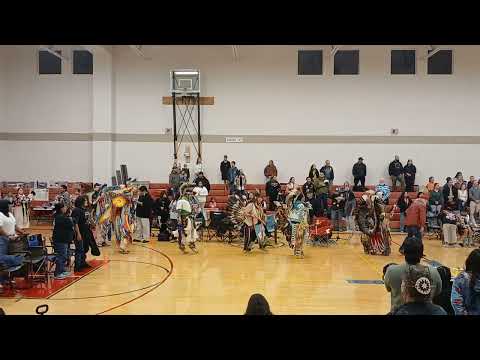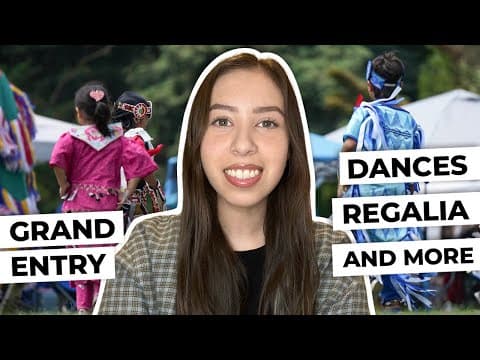
Powwows are vibrant celebrations of Indigenous culture that have evolved from being banned gatherings to major cultural events across North America. This blog explores the history, significance, and contemporary practices of powwow culture.
Powwow. Have you heard the word? Have you ever attended one? Powwows are not only amazing to witness but also to participate in. In this blog post, we will explore the origins of powwow culture, its significance to Indigenous peoples, and how it has transformed into the vibrant celebrations we see today.
Powwows are significant gatherings for many Indigenous communities, serving as a way to honor traditions through celebrations, songs, dances, and more. They are a rich tapestry of cultural expression, showcasing the diversity of Indigenous cultures across North America.
Interestingly, the joy and celebration associated with powwows were not always permitted in Canada. Under Section 3 of the Indian Act in 1884, it was illegal for Indigenous peoples to gather for ceremonies or celebrations. This law was so strict that even non-Indigenous individuals who assisted in organizing such gatherings could face imprisonment. As a result, many traditions were lost as generations were forced to hide their cultural practices out of fear of punishment.
This ban on celebrations lasted for over 60 years, only being lifted in 1951. The question arises: how did we transition from secret gatherings to the large, celebratory powwows we know today?
Some experts suggest that the Wild West shows of the early 20th century played a role in shifting perceptions about Indigenous culture. By the 1960s and 70s, the ceremonial bans were lifted, allowing Indigenous peoples to celebrate their cultures openly once again. This period marked a significant cultural reclamation, where many Indigenous youth began to embrace practices that their parents and grandparents had been unable to perform.
Today, powwows are thriving events, with over 190 powwows scheduled across North America this year, according to powwows.com. Two of the largest powwows are the Gathering of Nations in New Mexico and Manito Ahbee in Winnipeg, Manitoba. These events attract thousands of Indigenous participants and spectators, showcasing the rich diversity of Indigenous cultures.
While powwows can vary significantly depending on the hosting community, there are some common elements that many powwows share:
As powwows continue to grow and evolve, they are becoming more inclusive. New powwows are being organized, such as the first powwow in St. John, New Brunswick, and events specifically for the Two-Spirit community are gaining popularity. The involvement of youth in these cultural practices is crucial for the continuation and evolution of powwow traditions.
The powwow culture is a testament to the resilience and vibrancy of Indigenous peoples. From its historical roots of suppression to its current status as a celebrated cultural phenomenon, powwows represent a powerful reclamation of identity and tradition. As we look to the future, the continued participation of youth in powwow practices will undoubtedly shape the next chapter of this rich cultural heritage.
In closing, here is a glimpse of the full contemporary jingle dress outfit, a symbol of pride and cultural expression. We hope to see you at the powwow circle soon!