This blog post explores the complex relationship between humanity and the concept of immortality, examining historical quests for eternal life, the psychological implications of living forever, and the societal inequalities that may arise from radical life extension. Through various literary and philosophical lenses, it questions whether immortality is a blessing or a curse, ultimately suggesting that the fear of decay and death drives our obsession with living forever.
The quest for immortality is perhaps one of humanity's oldest stories, woven into the fabric of our culture and history. From ancient emperors seeking elixirs of life to modern billionaires contemplating cryogenic preservation, the desire to escape death has manifested in various forms. This blog post delves into the implications of immortality, exploring whether it represents an evolution of humanity or a descent into decay.
Two and a half thousand years ago, the first emperor of China died after consuming an elixir promised to grant him immortality. This tragic fate was not unique; several emperors followed suit, driven by the fear of death. Similarly, in 1535, a Spanish chronicler documented the mythic quest for the Fountain of Youth, a tale that has echoed through the ages.
In 1947, Argentine author Jorge Luis Borges penned a story about a man searching for the city of the Immortals, only to find it populated by childlike creatures and impossible architecture. These narratives reflect a deep-seated human obsession with eternal life, often leading to tragic outcomes.
Many video games, particularly those developed by FromSoftware, explore the theme of decay and the cost of immortality. In Sekiro, players can achieve immortality but at the expense of spreading a disease called dragon rot to others. Similarly, in Dark Souls, the concept of hollowness represents a form of immortality devoid of purpose and connection.
The character Seath the Scaleless from Dark Souls exemplifies the dangers of an obsessive pursuit of immortality. His quest leads to madness and moral decay, mirroring the stories of historical figures like the first emperor of China, whose fear of death made him susceptible to deception and cruelty.
As we consider the future of immortality, it is crucial to address the societal implications. In speculative fiction like Greg Egan's Permutation City and Richard Morgan's Altered Carbon, immortality is portrayed as a commodity accessible only to the wealthy. This raises ethical questions about who gets to live forever and the potential for increased inequality.
While billionaires invest in radical life extension technologies, millions continue to suffer from preventable diseases like tuberculosis. The irony lies in the fact that while some seek to escape death, others face it daily due to systemic inequalities in healthcare access.
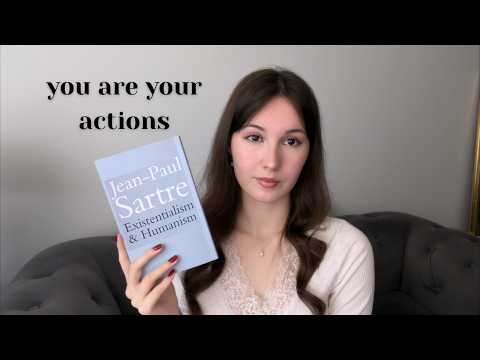
Philosophers have long debated the role of death in giving life meaning. Existentialist thinkers like Jean-Paul Sartre argue that death removes meaning from life, while others suggest that it is precisely our mortality that imbues our actions with significance. The question remains: does immortality strip away our ability to find meaning in our lives?
In John Boy's 17776, humans stop dying and engage in absurdly prolonged games of football, raising questions about the nature of happiness and fulfillment in an immortal existence. This reflects the existential struggle to find meaning in a world where traditional markers of success and purpose may no longer apply.
The fear of losing oneself to decay often overshadows the fear of death. Personal anecdotes, such as the experience of watching a loved one suffer from a debilitating illness, highlight the emotional turmoil associated with the loss of identity and autonomy. This fear drives many to seek immortality as a means of preserving their essence.
As we age, we often find ourselves longing for the joys of youth, leading to a nostalgic pursuit of experiences that may never return. This desire to recapture lost moments can overshadow the appreciation of the present, complicating our relationship with time and existence.
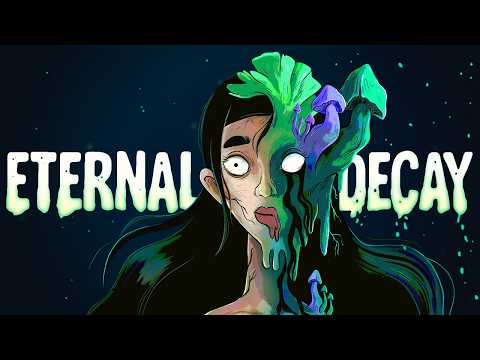
The quest for immortality is fraught with complexities, intertwining themes of obsession, decay, and societal inequality. While the allure of eternal life is undeniable, it is essential to consider the implications of such a pursuit. Ultimately, the fear of death may not be the core issue; rather, it is the fear of losing our identity and meaning in a world that constantly changes. As we navigate these existential questions, we must confront the reality that decay is an inherent part of the human experience, shaping our lives in profound ways.
In the end, the question remains: should we strive for immortality, or is it more meaningful to embrace our mortality and the finite nature of existence?