The Great Migration and the Harlem Renaissance were pivotal movements in the 1920s that reshaped American culture, particularly through the emergence of jazz and a newfound racial pride among Black Americans. These movements were interconnected, with the migration of Black Americans from the South to the North leading to a flourishing of cultural expression and a push for equality.
The 1920s marked a significant turning point in American culture, particularly for Black Americans, who changed the landscape of popular culture forever. The creation of jazz was a monumental achievement that transcended racial boundaries, paving the way for greater cultural integration. This blog post explores the intertwined narratives of the Great Migration and the Harlem Renaissance, two movements that had profound and lasting effects on both Black and white America.
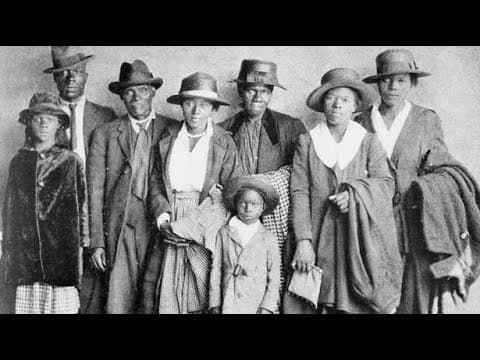
The Great Migration refers to the mass movement of Black Americans from the rural South to the urban North, particularly during the early 20th century. This demographic shift was crucial in shaping American society and culture. To understand the Great Migration, we must look back at the historical context following the Civil War.
After the Civil War, during the Reconstruction era, Southern Blacks gained voting rights and began to participate actively in politics. However, this progress was short-lived. As Reconstruction ended, Southern states implemented discriminatory practices such as the grandfather clause and literacy tests, effectively disenfranchising Black voters. The rise of Jim Crow laws further entrenched racial segregation, leading to increased violence and hostility towards Black communities.
By the 1910s, the oppressive conditions in the South prompted many Black Americans to seek better opportunities in the North. The Harlem district in New York became a popular destination, serving as a cultural hub for the burgeoning Black community. This migration was not just a search for economic stability but also a quest for social and political freedom.
The Harlem Renaissance was a cultural movement that emerged in the 1920s, characterized by a flourishing of Black art, literature, and music. This period saw the rise of influential figures who would shape the future of American culture.
Initially referred to as the New Negro Movement, the Harlem Renaissance was marked by a newfound racial pride among Black Americans. Artists and intellectuals began to assert their identity and challenge the negative stereotypes perpetuated by society. This cultural awakening was fueled by the influx of Southern Blacks into Northern cities, creating a vibrant community of artists and thinkers.
Prominent figures of the Harlem Renaissance included musicians like Louis Armstrong and Duke Ellington, who brought their unique styles to the forefront of American music. Armstrong, known for his brash and friendly demeanor, and Ellington, characterized by his sophistication, represented the diverse experiences of Black musicians.
In literature, writers such as Langston Hughes, Zora Neale Hurston, and James Weldon Johnson emerged as powerful voices. Hughes's poem "The Negro Speaks of Rivers" encapsulates the collective experience of Black Americans, tracing their history and asserting their cultural legitimacy.
Jazz music, a significant product of the Harlem Renaissance, became a symbol of Black cultural expression. It was not only a musical genre but also a means of breaking down racial barriers. The collaboration between Northern intellectuals and Southern artists created a rich tapestry of sound that resonated with audiences across racial lines.
The Great Migration and the Harlem Renaissance were interconnected movements that laid the groundwork for future civil rights advancements. The cultural achievements of the Harlem Renaissance provided a platform for Black Americans to assert their identity and demand equality.
Although the Harlem Renaissance faded with the onset of World War II, its influence persisted. The leaders of the civil rights movement in the 1950s and 1960s drew inspiration from the figures of the Harlem Renaissance, continuing the fight for equality and justice.
The Great Migration and the Harlem Renaissance were pivotal in reshaping American culture and society. While they arose from the struggles against discrimination and oppression, they also represented a powerful assertion of identity and creativity among Black Americans. The legacy of these movements continues to inspire and inform contemporary discussions about race, culture, and equality in America.