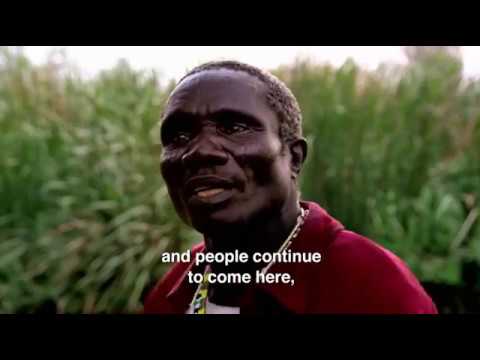
The Hadza people of Tanzania represent the last full-time hunter-gatherers on Earth, embodying a lifestyle that connects them deeply to nature and their ancestral roots. Despite their rich cultural heritage and sustainable practices, they face significant threats from modern development and land encroachment, raising urgent questions about their future and the preservation of human history.
No matter where you live on Earth, the Hadza people of Tanzania represent a direct link to our shared human ancestry. With only a few hundred individuals practicing a full-time hunting and gathering lifestyle, the Hadza are the last remaining group in Africa to do so without reliance on agriculture. Their way of life offers invaluable insights into the human past and our connection to nature.
The Hadza have inhabited their lands for tens of thousands of years, possibly even hundreds of thousands. They are believed to trace their lineage back to the first humans who lived in East Africa. This long-standing presence means that they have developed a profound understanding of their environment, living in harmony with the land and its wildlife. Unlike modern societies, the Hadza view the land as belonging to the animals, from which they borrow resources temporarily.
The Hadza possess an extraordinary knowledge of their environment, which is practical and functional. They can track animals with remarkable precision, interpreting subtle signs in nature that most of us would overlook. This knowledge has been passed down through generations, primarily through storytelling, as they have no written language. In a world where many have lost touch with such skills, the Hadza's expertise serves as a crucial reminder of our evolutionary history.
Honey is a staple in the Hadza diet, with the African killer bee's honey being particularly prized. The Hadza have developed a unique relationship with these bees, using smoke to safely harvest honey. Their diet is diverse, including roots, tubers, and fruits, which they gather daily. The Hadza women play a vital role in food collection, ensuring that the community is sustained even during lean times when hunting may not yield results.
The Hadza have rich cultural narratives that explain their origins. According to their mythology, they descended from baboons, a story that reflects their deep connection to the land and its creatures. This narrative, along with their unique click-based language, sets them apart from other cultures and highlights their distinct identity.
Despite their rich heritage, the Hadza face numerous challenges from modern society. Colonialism and government policies have attempted to assimilate them into a cash economy, often disregarding their traditional practices. The introduction of agriculture and the establishment of game reserves have further marginalized the Hadza, restricting their access to ancestral lands and resources.
The Hadza's connection to their land is not merely physical; it is deeply spiritual and cultural. As they are pushed further into the bush, their ability to maintain their way of life is threatened. The loss of land not only affects their food sources but also their cultural identity, as they are intimately tied to the places where their ancestors are buried.
In recent years, there have been efforts to recognize the land rights of the Hadza. Meetings have been held to discuss their future and how they can navigate the pressures from outside forces. However, these efforts are often met with resistance, and the recognition of their rights remains tenuous.
The future of the Hadza is uncertain. As modern pressures continue to encroach upon their way of life, there is a growing urgency to support their rights and preserve their culture. The Hadza's sustainable practices offer valuable lessons for contemporary society, emphasizing the importance of living in harmony with nature.
The Hadza are not just a relic of the past; they are a living testament to our shared human heritage. Their way of life challenges modern notions of success and happiness, reminding us of the importance of connection to the land and each other. As we face global challenges, the Hadza's story serves as a crucial reminder of the need to respect and protect the diverse cultures that enrich our world. The time to act is now, as the survival of the Hadza—and the lessons they hold—hangs in the balance.