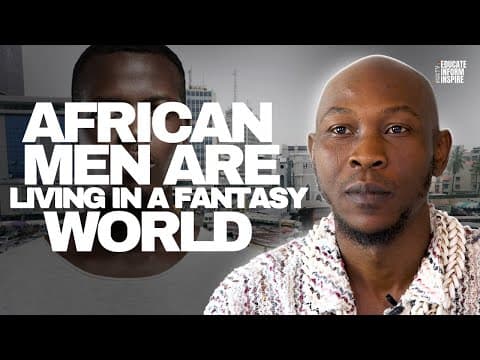
This blog post explores the hypersexualization of African men and women, discussing its implications on identity, societal values, and the influence of Western ideals. It highlights the dangers of reducing African relationships to materialism and sexual dynamics, and critiques the cultural narratives that dominate discussions in contemporary society.
In recent years, the topic of hypersexualization has gained traction, particularly in Nigeria and other African nations. This phenomenon is not just a cultural issue but a reflection of deeper societal problems that affect the identity of African men and women. In this post, we will delve into the implications of hypersexualization, its roots in materialism, and the narratives that shape our understanding of relationships in contemporary African society.
Hypersexualization refers to the excessive emphasis on sexual attributes and relationships, often reducing individuals to mere objects of desire. In Nigeria, this trend is pervasive, influencing how both men and women perceive themselves and each other. The conversation around hypersexualization is not limited to Nigeria; similar patterns can be observed in other African countries, such as Ghana.
Art has always been a medium for expressing human experiences, including sexuality. Historically, artists like Seun Kuti's father used their music to celebrate love and relationships openly. However, the current landscape has shifted. Today, the focus seems to be solely on sexual relationships, overshadowing the deeper connections that can exist between individuals. This shift reflects a broader trend where African identity is increasingly tied to material possessions and sexual appeal.
One of the critical issues arising from hypersexualization is the infantilization of African men. This concept suggests that African men are often viewed through a lens of materialism, where their worth is measured by what they can buy or provide. This narrative not only diminishes their identity but also perpetuates a cycle of dependency on Western ideals of success and masculinity.
The relationship dynamics between African men and women have become heavily influenced by these materialistic views. The prevailing narrative suggests that men who can afford luxury items are more desirable, while women are often reduced to their physical attributes or perceived value based on societal standards of beauty. This transactional view of relationships dominates social media and public discourse, leading to a skewed understanding of love and partnership.
The hypersexualization of African identity poses several dangers:
A troubling aspect of this hypersexualization is the myth of success perpetuated by media and societal narratives. For instance, the recent discussions surrounding Moroccan footballer Hakimi's divorce highlight how societal values are often tied to material wealth rather than genuine relationships. This focus on wealth and status creates unrealistic expectations and fantasies that many aspire to but few can achieve.
The impact of Western culture on African identity cannot be overstated. Many prominent African figures in the diaspora often reference Western films and ideologies, such as those from The Godfather, rather than engaging with African revolutionary ideas. This cultural appropriation leads to a skewed understanding of what it means to be African, as many seek to emulate the lifestyles of fictional characters rather than embracing their heritage.
To combat the hypersexualization and infantilization of African identity, there is a pressing need for authentic narratives that celebrate the richness of African culture. Emphasizing revolutionary ideas and the contributions of historical figures can help reshape the conversation around African identity, moving away from materialism and towards a more profound understanding of self-worth and community.
The hypersexualization of African men and women is a complex issue that reflects broader societal challenges. By critically examining the narratives that dominate our conversations, we can begin to dismantle the harmful stereotypes and expectations that have emerged. It is essential to foster a culture that values depth, authenticity, and genuine connections, allowing African identities to flourish beyond the confines of hypersexualization and materialism.