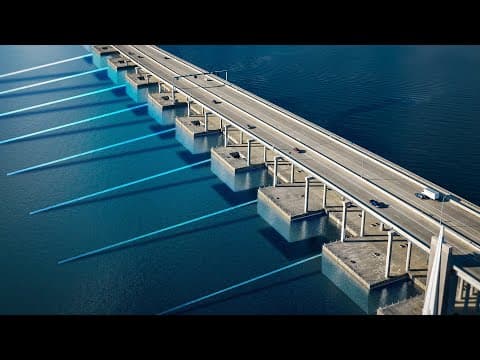
Floating bridges, a unique engineering solution, emerged in Seattle to connect communities across Lake Washington. This blog explores their history, design challenges, and future innovations, highlighting the engineering marvels that allow these structures to float and function amidst natural forces.
In the early 1900s, Seattle faced a geographical challenge. With Puget Sound to the west and Lake Washington to the east, the growing city needed a reliable east-west transportation route. However, crossing Lake Washington was no simple task due to its depth and the soft clay and mud beneath. This blog explores the innovative engineering behind floating bridges, particularly the Lacey V. Murrow Bridge, and the unique challenges they face.
In 1921, engineer Homer Hadley proposed a radical solution: a bridge that would float on massive hollow concrete pontoons instead of resting on the lakebed. This idea took nearly two decades to materialize, but with the support of the New Deal and Public Works Administration, construction began on what would become the Lacey V. Murrow Bridge. When it opened in 1940, it was the first floating concrete highway, showcasing ingenuity in engineering.
Washington State has become a hub for floating bridges, with four of the five longest floating bridges in the world located in the area. These include:
Floating bridges have a long history, dating back thousands of years. They have been primarily used in military applications, providing quick and efficient crossings in urgent situations. However, most floating bridges were temporary, designed for quick assembly and disassembly. Transitioning to permanent floating infrastructure posed significant engineering challenges.
One of the primary challenges of floating bridges is navigation. They act as barriers to boats, necessitating designs that accommodate maritime traffic. For example:
Floating bridges are constantly interacting with water, which presents unique complications. They must be moored in place using long cables and anchors to prevent excessive movement. Anchoring systems can include:
Floating bridges are susceptible to weather conditions. High winds and waves can obscure visibility and create risks for drivers. In Washington, floating bridges have been closed due to extreme weather, reflecting the reality that they can become part of the storm.
Traditionally, floating bridges were made from lighter materials like wood or inflatable rubber. However, permanent structures require durability, leading to the use of concrete. While it may seem counterintuitive, concrete can float if designed correctly. Engineers ensure that pontoons are built to carry significant weight while remaining buoyant. Key considerations include:
Washington has experienced notable failures with floating bridges:
Recently, Sound Transit began testing light rail trains on the Homer Hadley Bridge, introducing new engineering challenges. Key considerations include:
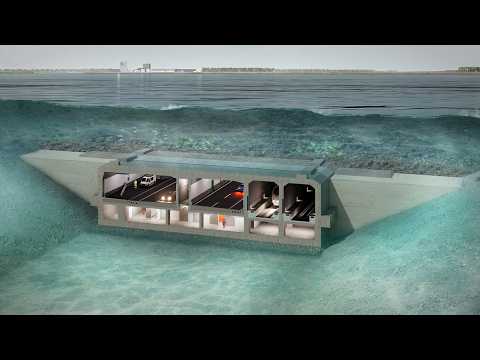
Looking ahead, floating tunnels may represent the future of infrastructure. Proposed designs could suspend tunnels in the water column, reducing excavation costs and environmental impacts.
Floating bridges are a remarkable engineering achievement, providing solutions where traditional bridges cannot. While they face unique challenges, their design and functionality continue to evolve, opening new possibilities for infrastructure and connectivity. As we explore the future of floating structures, we embrace the essence of engineering: meeting challenges with innovative solutions tailored to specific needs.