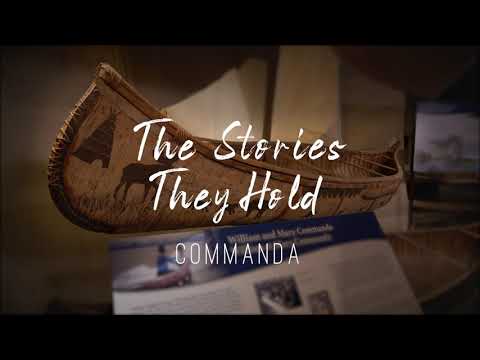
William and Mary Commanda were influential Indigenous canoe makers whose work not only preserved traditional birchbark canoe crafting but also fostered community and cultural exchange. Their legacy continues through their grandson, Chuck Commanda, at the Canadian Canoe Museum, which houses a significant collection of canoes and their stories.
In many Indigenous communities, the intricate process of creating a new canoe serves as a powerful means of bringing people together. This tradition has been exemplified by William and Mary Commanda of Kitigan Zibi, Quebec, who were prolific canoe makers and prominent figures in their community during the 1970s and 80s.
William and Mary Commanda are reputed to have crafted over a hundred birchbark canoes. Their work was not just about creating vessels; it was about passing on the complex teachings and cultural significance associated with canoe making. The Commandas played a crucial role in preserving and sharing this traditional craft, ensuring that the knowledge and skills were passed down through generations.
William Commanda, in particular, became an Elder celebrated internationally for his environmental advocacy and for hosting gatherings that bridged cultural divides. His contributions to both his community and the broader society were recognized through numerous awards, including one from the Canadian Canoe Museum and the prestigious Order of Canada in 2008.
Among the Commandas' creations, one birchbark canoe stands out in the Canadian Canoe Museum's collection. This canoe is not only a remarkable example of craftsmanship but also features distinctive designs etched into its hull, making it one of the most recognizable pieces in the museum. The artistry and skill involved in its creation have inspired countless visitors, highlighting the importance of these vessels in Indigenous culture.
In 2017, the Canadian Canoe Museum welcomed Chuck Commanda, the grandson of William and Mary, to demonstrate the traditional birchbark canoe building process. Chuck learned this craft from his family and has since dedicated himself to sharing this knowledge with local youth, First Nations communities, and visitors from around the world, both in person and online. His demonstrations serve as a bridge between the past and present, ensuring that the legacy of canoe making continues to thrive.
The Canadian Canoe Museum is renowned for housing the world’s largest collection of canoes, kayaks, and paddled watercraft. However, the museum's mission extends beyond mere collection; it serves as a keeping place for the stories these vessels carry. Each canoe represents a narrative of cultural significance, craftsmanship, and community, inviting visitors to engage with the rich history of paddled watercraft.
The work of William and Mary Commanda exemplifies the deep cultural roots and communal significance of birchbark canoe making in Indigenous communities. Their legacy lives on through their grandson Chuck and the ongoing efforts at the Canadian Canoe Museum to preserve and share these important stories. Visitors are encouraged to explore this unique heritage and discover the many favorites within the museum's collection, celebrating the artistry and history of canoe making.