The Philosophy of Charles Bukowski: On the Triviality of Life
Charles Bukowski's philosophy reflects on the loss of individualism as people conform to societal expectations, leading to a life filled with monotony and a lack of fulfillment. He critiques the traditional milestones of adulthood, such as marriage and parenthood, viewing them as societal obligations rather than personal victories.
Charles Bukowski, a renowned writer and poet, often delved into the complexities of human existence and the societal structures that shape our lives. His reflections on life reveal a stark critique of the conventional paths that many individuals follow, leading to a sense of monotony and unfulfillment.
The Loss of Individualism
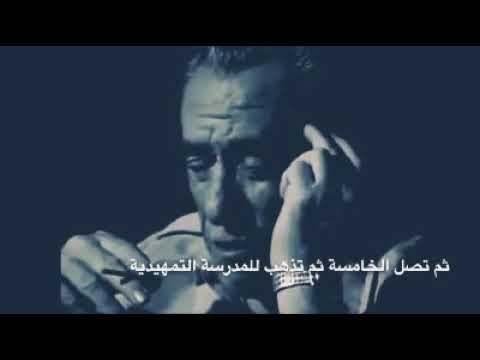
Bukowski suggests that true freedom exists in early childhood, where individuals are unencumbered by societal expectations. However, this freedom diminishes as one grows older. By the age of five, children enter grammar school, where they begin to conform to societal norms. This transition marks the beginning of a gradual loss of individualism.
As people grow, they often become mere spectators in life, engaging in passive activities such as watching game shows. This shift signifies a departure from active participation in life, leading to a routine existence dominated by obligations rather than passions.
The Monotony of Adult Life
In adulthood, many find themselves trapped in an eight-hour workday, which they may perceive as a noble endeavor. Bukowski challenges this notion, arguing that such work often lacks true meaning or fulfillment. The societal milestones of marriage and parenthood are presented as victories, yet Bukowski views them as mere obligations that many undertake out of necessity rather than desire.
He describes these experiences as flat and devoid of excitement, suggesting that they are often pursued because there is little else to engage with. The idea of having children, for instance, is portrayed not as a glorious achievement but rather as a task that individuals feel compelled to complete.
The Struggle Against Conformity
Bukowski's philosophy emphasizes the struggle against societal expectations. He reflects on his own experiences, expressing dissatisfaction with traditional jobs and the roles assigned to him. Instead of conforming, he chose to embrace a life on the fringes, where he could explore his identity and creativity without the constraints imposed by society.
For Bukowski, the act of writing became a form of rebellion against the mundane. He describes himself as a "scarecrow unlabelled," highlighting his rejection of societal labels and expectations. This choice to pursue writing, despite the challenges, reflects his desire for authenticity and self-expression.
Conclusion
Charles Bukowski's reflections on life serve as a poignant reminder of the importance of individualism and the dangers of conformity. His critique of societal norms encourages readers to question the paths they follow and to seek fulfillment beyond traditional milestones. In a world that often prioritizes conformity over creativity, Bukowski's philosophy invites us to embrace our uniqueness and to find meaning in our own terms.