This blog post explores the experiences of Rastafari individuals in Ethiopia, highlighting their struggles with identity, belonging, and the challenges they face in integrating into Ethiopian society. It discusses the historical context of the Rastafari movement, the quest for legal recognition, and the cultural dynamics that shape their lives in Ethiopia.
The Rastafari movement, which emerged in the early 20th century, has a rich history intertwined with themes of identity, belonging, and cultural reclamation. For many Rastafari individuals, Ethiopia represents a promised land, a place of spiritual and cultural significance. However, their experiences in Ethiopia are marked by challenges and paradoxes that complicate their sense of belonging.
Many Rastafari individuals migrate to Ethiopia with hopes of finding a better life. They often arrive with little more than the clothes on their backs, driven by the promise of a brighter future. Despite facing bureaucratic hurdles, such as visa restrictions, many choose to stay, declaring Ethiopia as their home. The desire for citizenship and legal recognition is a common theme among the Rastafari community, as they seek to establish their roots in a land they consider sacred.
Living in Ethiopia offers Rastafari individuals a unique opportunity to connect with their spiritual roots. The sounds of morning chants and the vibrant expressions of faith provide a stark contrast to the chaos of urban life in Western countries. Many express that their mental and spiritual health improves in Ethiopia, despite the challenges they face. The Rastafari movement, deeply connected to Pan-Africanism, emphasizes the importance of spiritual identity and cultural heritage, which resonates strongly in the Ethiopian context.
Despite their spiritual connections, Rastafari individuals often find themselves navigating a complex landscape of cultural and societal challenges. They experience a dual identity as both insiders and outsiders. While they embrace Ethiopian culture, they also face discrimination and misunderstanding from locals who may not fully grasp the Rastafari philosophy. This cultural shock can be disheartening, as many Rastafari individuals feel marginalized within a society that is predominantly Christian and often skeptical of alternative spiritual beliefs.
One of the most pressing issues for Rastafari individuals in Ethiopia is the lack of legal recognition. Many live in a state of uncertainty, unable to secure jobs or access banking services due to their undocumented status. This economic marginalization limits their ability to invest in businesses or contribute to the local economy. The Rastafari community advocates for legal recognition, which would enable them to fully participate in Ethiopian society and access opportunities for growth and development.
The struggle for identity is a recurring theme among Rastafari individuals in Ethiopia. Many grapple with the perception that their beliefs and practices are misunderstood or misrepresented. The historical context of the Rastafari movement, rooted in the legacy of colonialism and the quest for reparations, adds layers to their identity struggles. Rastafari individuals often seek to correct historical injustices and reclaim their narrative, emphasizing the importance of understanding their cultural heritage.
The experiences of Rastafari individuals are often shaped by intergenerational perspectives. Younger generations may face different challenges than their elders, particularly in navigating cultural expectations and societal norms. The clash between traditional Rastafari beliefs and contemporary Ethiopian society can create tension, as younger Rastafari individuals strive to find their place in a rapidly changing world.
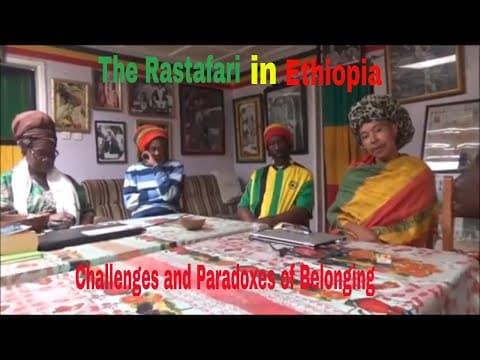
Despite the challenges, the Rastafari community in Ethiopia demonstrates remarkable resilience. They engage in communal discussions, often gathering to reason about personal and societal issues. This practice fosters a sense of solidarity and support, allowing individuals to share their experiences and find common ground. The community's commitment to maintaining their cultural identity while integrating into Ethiopian society is a testament to their strength and determination.
The experiences of Rastafari individuals in Ethiopia highlight the complexities of identity, belonging, and cultural integration. While they face significant challenges, their connection to Ethiopia remains a source of hope and inspiration. The Rastafari movement continues to evolve, reflecting the ongoing struggle for recognition, justice, and a sense of home in a land that holds profound spiritual significance. As they navigate these challenges, Rastafari individuals contribute to the rich tapestry of Ethiopian society, embodying the spirit of resilience and the quest for belonging.