The reefnet, a traditional fishing method of the Salish Sea indigenous peoples, symbolizes their deep connection to nature, identity, and community. This blog post explores the origins, significance, and challenges faced by the reefnetters, highlighting their cultural heritage and the ongoing struggle for recognition and preservation.
The journey of understanding one's identity is profound, especially when it is intertwined with cultural heritage. For many indigenous peoples of the Salish Sea, the reefnet represents not just a fishing tool but a vital part of their history and identity. This blog post delves into the origins of the reefnet, its significance to the indigenous communities, and the challenges they face in preserving this ancient practice.
When one individual received the name Sxole-tenaut, it was explained that "tenaut" means the wife of, and "sxole" refers to a net or spiderweb. This connection emphasizes the importance of the reefnet in their culture, symbolizing sustenance and life. The elders impart wisdom that the name carries a deeper meaning, linking the individual to their ancestors and the natural world.
The reefnet is viewed as a gift from the creator, providing sustenance and abundance for generations. It is a tool that has allowed the indigenous peoples to thrive, reflecting their deep respect for nature and the cycles of life. The reefnet is not merely a means of fishing; it embodies a spiritual connection to the land and water.
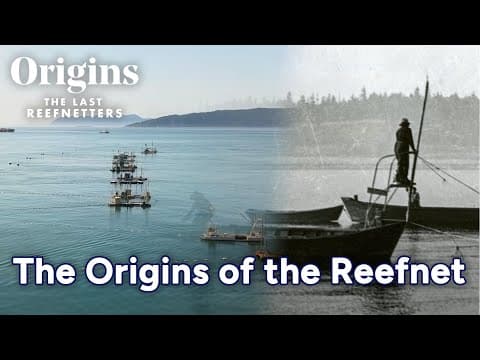
The traditional method of using reefnets involves two canoes anchored side by side with a false reef below. As salmon encounter this false reef, they swim into the net, allowing for a sustainable catch. A unique aspect of this method is the intentional design of the net, which includes a hole at the back. This design ensures that not every fish is caught, allowing for the continuation of the salmon population and respecting the natural laws of the ecosystem.
The reefnet is likened to a womb, providing life and connection to the salmon, which are integral to the identity of the people. The spiritual relationship with the sxole is profound, as it ties the community to their ancestors and the natural world. The reefnet is a symbol of abundance, community, and the interconnectedness of life.
Historically, the reefnetting practices were passed down through families, with specific sites being handed down rather than bought or sold. However, the arrival of colonial powers disrupted these traditions, leading to a loss of cultural practices and economic independence. The indigenous peoples of the Salish Sea faced significant challenges as their rights to fish and their cultural practices were undermined.
The colonization of the Salish Sea region brought about significant changes, including the appropriation of indigenous economies and the imposition of external governance. The historical trauma of losing traditional practices like reefnetting has had lasting effects on the community. The struggle for recognition and the fight for truth and reconciliation continue to be pressing issues for the descendants of the original peoples of the Salish Sea.
The reefnet is more than just a fishing tool; it is a vital part of the cultural identity of the indigenous peoples of the Salish Sea. As they navigate the challenges of modernity and the impacts of colonization, the reefnet serves as a reminder of their resilience and connection to their heritage. The ongoing efforts to preserve this tradition highlight the importance of cultural heritage and the need for recognition and respect for indigenous practices.
Through understanding the significance of the reefnet, we can appreciate the rich cultural tapestry of the Salish Sea and the enduring spirit of its people.