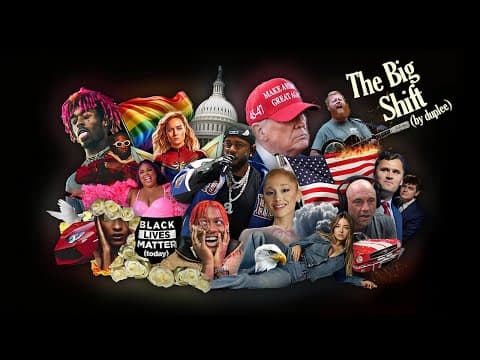
This blog post explores the cultural shift towards Americana, particularly the rise of Midwest and suburban aesthetics in music and fashion, the growing popularity of country music, and the changing perceptions of American identity among younger generations.
Howdy! Today, we delve into a fascinating cultural shift that has been brewing over the past few years: the resurgence of Americana, particularly the influence of the Midwest and suburban aesthetics in contemporary culture. This shift is not just a fleeting trend; it reflects deeper changes in how Americans and the world perceive American identity.
In recent years, there has been a noticeable emphasis on cultural references from America's Midwest and suburbia. Traditionally, American culture has been dominated by the coastal cities of New York and Los Angeles, which have often overshadowed the heartland. However, as noted by cultural commentator Brendon Holder, there is a growing pride in regions that have historically been overlooked. This pride is manifesting in various forms, including music, fashion, and social media.
One of the most significant indicators of this cultural shift is the rise of country music. Over the last few years, country music has gained immense popularity, with artists like Zayn Malik and Lana Del Rey expressing interest in the genre. Zayn's recent album, "Room Under the Stairs," marks his transition into country music, inspired by the authenticity and depth of the genre's lyrics. He noted that listeners are seeking music that tells real stories rather than superficial narratives.
Lana Del Rey also highlighted the shift, stating that the music business is increasingly leaning towards country. This trend reflects a broader desire for authenticity in a world saturated with digital content and superficiality. Post Malone echoed this sentiment, suggesting that people are turning to country music as an escape from the over-digitalization of modern life.
The Americana aesthetic is closely tied to suburban imagery, which has seen a resurgence post-pandemic. Many people have moved to the suburbs, seeking a slower-paced lifestyle characterized by manicured lawns, apple pie, and vintage cars. This nostalgia for a simpler life is not without its complexities, as it often overlooks the challenges of suburban living, such as homogeneity and isolation.
Emma Beddington's experience moving to the suburbs illustrates this desire for tranquility away from the chaos of city life. However, it also raises questions about the romanticization of suburban living, which can often gloss over its downsides.
Historically, country music has roots in diverse musical traditions, including those brought by European settlers and enslaved Africans. Despite its reputation for being politically homogenous and predominantly white, the genre's origins are rich and varied. The recent resurgence of personal and vulnerable lyrics in country music reflects a return to these roots, allowing for a broader range of voices and experiences.
The backlash against artists like The Chicks and Lil Nas X in the past highlights the genre's struggles with inclusivity. However, the current landscape is changing, with country music experiencing its biggest growth in over 30 years, indicating a shift towards a more inclusive and diverse genre.
Social media plays a crucial role in shaping cultural trends, and the rise of platforms like TikTok has facilitated the spread of Americana aesthetics. Fashion trends, such as the popularity of camo print, are also indicative of this cultural shift. Camo, once associated with military and workwear, has become a fashion statement among younger generations, often worn ironically.
This trend reflects a broader movement towards workwear fashion, which emphasizes comfort and durability. The blending of urban and rural aesthetics in fashion signifies a reclamation of symbols traditionally associated with conservative values, allowing for a more nuanced interpretation of Americana.
As we look to the future, the idealization of Midwest suburban Americana seems to stem from a collective nostalgia for a less digitalized existence. This desire for authenticity and connection is particularly resonant among younger generations, who are increasingly disenchanted with the superficiality of modern life.
Research indicates that Gen Z is moving away from traditional political affiliations, seeking collaboration and consensus instead. This shift suggests that symbols of American identity, such as the American flag and country music, are being redefined and reclaimed by a new generation.
In conclusion, the resurgence of Americana reflects a complex interplay of nostalgia, cultural pride, and a desire for authenticity in an increasingly digital world. As younger generations embrace these symbols, they are reshaping what it means to be American in the 21st century. The rise of country music, the aestheticization of suburbia, and the blending of cultural influences all point to a vibrant and evolving cultural landscape.
Thank you for joining me on this exploration of why 'America' is cool again. Let me know your thoughts on this cultural shift and how you see it manifesting in your own life!