This blog post explores the deep cultural significance of birch trees and their bark in Anishinaabe traditions, highlighting the connection between the land, community, and identity through the lens of birch bark crafting.
Birch trees, known as wiigwaasabak, hold a revered place in Anishinaabe culture, often referred to as the tree of life. This blog post delves into the multifaceted relationship between the Anishinaabe people and birch trees, emphasizing their importance in daily life, cultural practices, and spiritual connections.
Located along the shores of Gichigamiing, or Lake Superior, birch trees have provided the Anishinaabe people with essential materials for generations. The bark, known as mikak, is used to create baskets, canoes, and various containers for gathering food. The birch tree offers not only practical resources but also serves as a symbol of life and sustenance for the community.
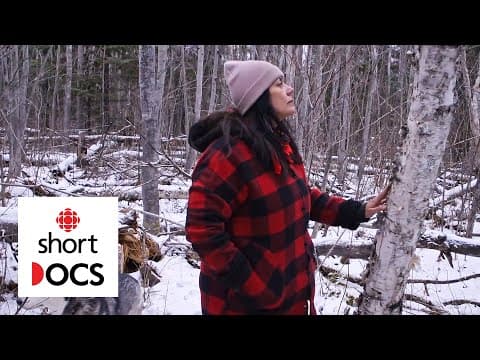
Helen Pelletier, an Anishinaabe artisan, expresses her emotional connection to birch trees, describing them as a source of life and medicine. She emphasizes the importance of harvesting birch bark in harmony with nature, noting that the timing of the harvest is crucial. The relationship with the birch tree is one of respect and reciprocity, where the tree teaches the community about the cycles of life.
Helen collaborates with Audrey Deroy, a knowledge-keeper, to deepen her understanding of birch bark crafting. Audrey explains that in Anishinaabe culture, there is no specific word for "art"; instead, all creations serve a purpose in life. The birch bark baskets are not merely artistic expressions but functional items that connect the community to their heritage and the land.
The process of harvesting birch bark is a communal activity that fosters connection among participants. Helen shares her favorite spots for gathering materials and the techniques involved in harvesting. The birch bark must be collected at the right time, ensuring that it can be removed easily without harming the tree. This practice reflects a deep respect for nature and the teachings that come from it.
Helen and her friend Bess share personal stories about their journeys with cancer and the healing power of crafting. Bess, who faced her own battle with leukemia, finds solace and strength in creating with birch bark. The act of crafting not only connects them to their ancestors but also provides a sense of identity and belonging.
The importance of community support is highlighted throughout their experiences. Helen emphasizes the need for collaboration and learning from one another, especially among women in their community. This collective effort strengthens their cultural ties and fosters a sense of empowerment.
Audrey reflects on the spiritual significance of birch trees, describing them as beings that have existed long before humans. She believes that these trees help guide the Anishinaabe people, providing them with life and wisdom. The birch tree embodies the connection between the physical and spiritual worlds, reminding the community of their responsibilities to care for the environment.
The birch tree is more than just a resource for the Anishinaabe people; it is a vital part of their identity, culture, and spirituality. Through the practice of crafting with birch bark, individuals like Helen and Bess not only preserve their heritage but also find healing and strength in their connection to the land and each other. The stories shared by these women illustrate the profound impact of nature on their lives and the importance of community in navigating the challenges they face.
In a world where Indigenous voices are often marginalized, the narrative of the birch tree serves as a powerful reminder of resilience, connection, and the enduring spirit of the Anishinaabe people.