This blog post explores the Aboriginal story of Angkerle Atwatye, narrated by Doreen McCormack Mukaringa and her family. It details the creation of Standley Chasm through the tale of two euros (kangaroos) and highlights the significance of Aboriginal place names and cultural storytelling.
Welcome to this exploration of the rich Aboriginal culture surrounding Angkerle Atwatye, also known as Standley Chasm, located 50 kilometers west of Alice Springs. In this post, we will delve into a captivating story shared by Doreen McCormack Mukaringa and her family, who are descendants of the Mukaringa people. This narrative not only reveals the origins of Angkerle Atwatye but also emphasizes the importance of Aboriginal place names and cultural heritage.
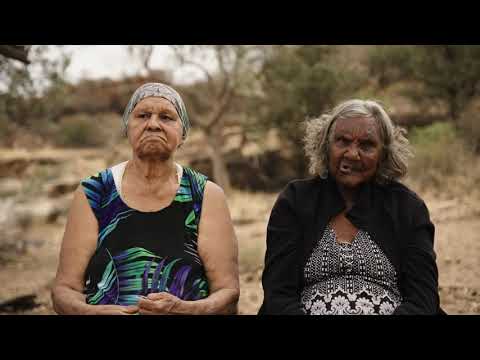
Doreen McCormack Mukaringa, along with her family members Audrey McCormack and Elaine Stuart, introduces us to their ancestral land, Mukaringa Country. They express their connection to this land and the significance of their heritage as they recount the story of two euros.
Doreen begins by explaining that they are situated on Mukaringa Country, which is also referred to as Wurreye Atherre, meaning "two boys." This name reflects the cultural significance of the land and its stories.
The central tale revolves around two euros, a type of kangaroo that inhabits the hills. In the Aboriginal language, the word for euro is "arenge." The story unfolds as these euros travel from the west to Angkerle Atwatye. However, before their arrival, the chasm did not exist.
As the euros journeyed, they got into a fierce fight. Their tails swung wildly, and in the chaos, one tail struck the mountain range with such force that it split the rock apart, creating the chasm we see today. This dramatic event is described vividly, with the sound of rocks cracking echoing the intensity of the fight.
After the creation of the chasm, the euros continued their journey eastward, passing through significant locations such as Morris Soak, Harts Range, and Alcoota, eventually reaching Lake Nash. Unable to cross the lake, they returned to Wurreye Atherre, where another euro was present.
In a poignant moment, Doreen reveals that the euro who was knocked over during the fight became her father. This personal connection to the story adds depth to the narrative, as she shares that this part of the story, known as Arenge Tnangkarre, is part of her Dreaming. However, she notes that some aspects of the story are reserved for the men in her family, highlighting the gender-specific nature of certain Aboriginal stories.
Doreen emphasizes that while some stories can be shared publicly, others are sacred and belong to specific genders. The story of Angkerle Atwatye is one that can be shared with everyone, but only women can speak about it in detail. This distinction underscores the importance of respecting cultural traditions and the roles within Aboriginal storytelling.
Doreen also discusses the importance of teaching the younger generation about their connection to the land and their heritage. She explains the skin names that are passed down through families, noting that they take their father's side first in this tradition. The Mukaringa family serves as caretakers of their culture, ensuring that their children understand their responsibilities and respect for the land.
In closing, Doreen and her family express gratitude for the opportunity to share their stories and the significance of Angkerle Atwatye. This narrative not only enriches our understanding of Aboriginal culture but also highlights the importance of storytelling in preserving history and identity. As we reflect on this tale, we are reminded of the deep connections between people, land, and stories that shape our understanding of the world.
Thank you to Doreen and the Mukaringa family for sharing their heritage and the story of Angkerle Atwatye with us.
Anma aretyenhenge! Goodnight!