This blog post explores the historical context and ongoing debate surrounding the repatriation of looted African art, focusing on the cultural significance of artifacts, the impact of colonialism, and the complexities involved in returning these treasures to their rightful owners.
The looting of African artifacts during colonial times has left deep scars on the continent's cultural heritage. This blog post delves into the historical context of these events, the significance of the artifacts, and the ongoing struggle for their repatriation. The voices of those affected by this cultural theft highlight the emotional and societal implications of losing one's heritage.
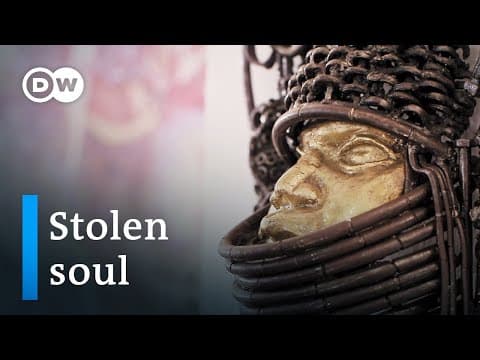
Colonial powers, particularly in the 19th century, systematically stripped African societies of their cultural artifacts. The destruction of communities and the massacre of people were often accompanied by the looting of their cultural heritage. As one commentator noted, "When you rob a people of its entire cultural heritage, then you steal their soul... and then you can enslave them." This sentiment underscores the profound loss experienced by communities whose identities are intertwined with their cultural artifacts.
In Douala, Cameroon, the Ngondo Water Festival is a vibrant celebration that includes a canoe race, where the outcome is believed to be influenced by a carved wooden figurehead known as the Tangué. This object is not merely decorative; it is considered magical and integral to the race's outcome. However, many Tangués, like one looted by German colonial powers, symbolize the ongoing struggle for cultural recognition and repatriation.
Valère Epée, chairman of the festival’s board of elders, emphasizes the importance of these artifacts, stating that the debate around colonial looting and repatriation is as pressing in Africa as it is in Europe. He argues that the conversation often remains Euro-centric, neglecting the perspectives and solutions proposed by Africans themselves.
The late 19th century saw intense competition among colonial powers for influence in Africa. In 1884, the Douala kings signed a treaty with German representatives, but resistance from local leaders like Lock Priso led to violent reprisals. The German consul Max Buchner documented the destruction of Priso's village, where artifacts, including a Tangué, were seized as trophies of war. This act of looting was not an isolated incident but part of a broader pattern of cultural theft that saw thousands of artifacts shipped to Europe.
The Kingdom of Benin, rich in culture and resources, faced a brutal punitive expedition by the British in 1897. Following the ambush of a British expedition, a force of 1,200 soldiers retaliated, leading to the destruction of towns and the looting of the royal palace. Thousands of artifacts, including the renowned Benin Bronzes, were taken and distributed among European museums. Despite formal requests for restitution, little has been done to return these treasures to their rightful home.
The Benin National Museum showcases the history of these bronzes, which were not created for mere aesthetic purposes but served as historical chronicles of the Benin state. Museum director Theophilus Umogbai highlights the importance of these artifacts in reshaping narratives about African culture, countering the colonial stereotypes that depicted Africans as uncivilized.
Today, over 1.5 million artifacts in German ethnological museums remain largely unexamined, with only a small fraction on display. Provenance research is essential to uncover the origins of these objects, but it often requires extensive detective work. The Linden Museum in Stuttgart, for example, is investigating its Namibia Collection, which includes items taken during colonial violence.
In 2019, the return of Hendrik Witbooi’s Bible and whip to Namibia marked a significant moment in the repatriation debate. These items, taken during a massacre, symbolize the broader struggle for acknowledgment and restitution of looted artifacts. The ceremony surrounding their return highlighted the emotional weight these objects carry for the Namibian people.
The repatriation of looted art is fraught with complexities, including questions of rightful ownership and the political dynamics within African communities. In Douala, the return of the Tangué is complicated by rival claims to leadership within the Bele Bele lineage. This internal conflict reflects the broader challenges faced in negotiating the return of cultural artifacts.
Moreover, the question of whether African nations are prepared to receive these artifacts is often raised. While some argue that infrastructure and funding are lacking, others assert that the artifacts should be returned regardless, emphasizing the need for cultural heritage to be accessible to future generations.
European museums have begun to confront the ethical implications of exhibiting looted artifacts. The Humboldt Forum in Berlin, set to house the Ethnological Museum, has sparked discussions about the legacy of colonialism and the responsibilities of museums in addressing this history. Critics argue that returning artifacts should not be merely symbolic but part of a broader reckoning with colonial legacies.
The struggle for the repatriation of Africa's looted art is not just about returning objects; it is about healing historical wounds and restoring cultural identity. As the debate continues, it is crucial to recognize the voices of those advocating for their heritage and to engage in meaningful dialogue that respects their perspectives. The return of these artifacts can serve as a catalyst for reconciliation and a step towards addressing the injustices of the past.
In the words of one advocate, "Justice must be done for people whose soul was stolen from them." The journey towards restitution is complex, but it is essential for the healing and empowerment of African societies.