Deepti Vijaykumar's TEDx talk highlights the dangers of cultural homogenization, stemming from colonial influences that equate Western customs with competence. She emphasizes the importance of embracing and practicing one's own culture to preserve diversity and foster creativity.
In her TEDx talk, Deepti Vijaykumar shares a poignant personal story from her teenage years in India that illustrates the subtle yet pervasive threat to cultural diversity. Through her experiences, she explores how societal perceptions of cultural superiority can lead to the erosion of unique cultural identities.
Deepti recalls a dinner with friends where cultural differences became starkly apparent. While two of her friends, influenced by Western culture, used cutlery with ease, another friend struggled. The giggles from the two urban girls highlighted a common misconception: that Western table etiquette was a marker of competence. Deepti chose to eat with her hands, a traditional Indian practice, and her friend followed suit, halting the mockery. This moment, though seemingly trivial, sparked a realization about the fragility of cultural practices.
Cultural diversity encompasses the myriad ways in which people express their identities through language, food, and social interactions. When one culture is deemed superior, it can lead to the abandonment of others. Deepti emphasizes that cultural diversity is volatile; it thrives only when individuals actively practice and celebrate their cultural heritage.
Deepti traces the roots of this cultural hierarchy back to British colonization, which instilled a belief in the superiority of British customs over Indian traditions. This colonial mindset persists today, where speaking English and adopting Western manners are often seen as prerequisites for social and professional success in India.
The consequences of cultural homogenization are dire. As cultures blend into a singular, dominant narrative, we risk losing the richness of diverse perspectives. Deepti warns that this cultural monotony stifles creativity and innovation, leading to a world where new ideas struggle to emerge.
To illustrate the ongoing effects of colonial influence, Deepti conducted a survey revealing a clear bias towards Western customs. Respondents overwhelmingly favored Western greetings, attire, and dining etiquette over their Indian counterparts. This bias reflects a broader societal trend where modernity is equated with Westernization, further marginalizing indigenous practices.
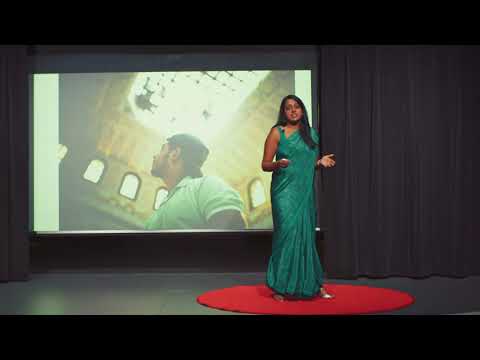
Deepti recounts her experience preparing for her TEDx talk, where a friend questioned her choice to wear a saree instead of Western attire. This moment encapsulates the internalized belief that Western clothing is synonymous with professionalism and competence. Deepti argues that no culture should hold a monopoly on what it means to be smart or important.
Deepti extends her message to Western audiences, urging them to recognize and respect cultural differences. She shares a disheartening experience during a work meeting where her accent was mocked, highlighting the need for understanding and acceptance of diverse linguistic backgrounds.
To preserve cultural diversity, it is essential to embrace and celebrate differences rather than conform to a singular standard. Deepti encourages individuals to appreciate the richness of various cultures, from attire to cuisine, and to resist the urge to homogenize.
Deepti Vijaykumar's TEDx talk serves as a powerful reminder of the importance of cultural diversity in fostering creativity and innovation. By actively practicing and celebrating our unique cultural identities, we can combat the forces of cultural monotony and ensure that diverse perspectives continue to thrive. In a world that often prioritizes conformity, embracing our differences is not just a choice; it is a necessity for human progress.
Namaste.