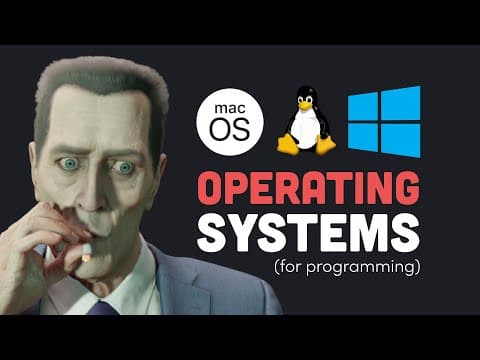
Choosing the right operating system is crucial for programmers, impacting their workflow and productivity. This article explores the pros and cons of Mac, Windows, and Linux, providing insights from a seasoned software engineer's experience.
Choosing the right operating system (OS) is one of the most significant decisions a programmer will ever make. This choice not only influences the tools and technologies you will use but also shapes your overall programming experience. In this article, we will delve into the differences between Mac, Windows, and Linux from the perspective of a software engineer with over a decade of experience.
My journey began with a Windows machine at my first job, where I was introduced to technologies like Java and Oracle Database. Although I built websites for a struggling Fortune 500 company, the experience was less than fulfilling. Fortunately, I transitioned to remote work with a MacBook Pro, which allowed me to develop Ruby on Rails applications while traveling. However, I soon discovered that many hardcore developers preferred Linux.
After my MacBook Pro failed after two years, I built my first PC and installed Ubuntu. This marked the beginning of my exploration into various Linux distributions, ultimately leading me to Debian, which I have primarily used since.
It's essential to clarify that when we refer to Linux, we are often talking about GNU/Linux. Linux is not a complete operating system by itself; it is a kernel that, when combined with GNU components, forms a fully functional OS. This distinction is crucial for understanding the flexibility and power of Linux.
Today, I use Windows with the Windows Subsystem for Linux (WSL) for development, while also keeping a MacBook Pro for travel. This multi-OS approach allows me to leverage the strengths of each system.
When working across different operating systems, having a reliable IDE is vital. JetBrains IDEs, for instance, are popular among developers for their sophisticated code completion and integrated tooling. As a web developer, I particularly appreciate WebStorm, which is optimized for JavaScript development and includes an AI assistant to enhance productivity.
Pros:
Cons:
Pros:
Cons:
Pros:
Cons:
Ultimately, the choice of operating system boils down to personal preference and circumstances. To help you decide, consider the following questions:
If you answered yes to the last question, then Temple OS might be the answer for you.
Choosing the right operating system is a deeply personal decision that can significantly impact your programming journey. Each OS has its strengths and weaknesses, and understanding these can help you make an informed choice that aligns with your goals and lifestyle as a programmer.