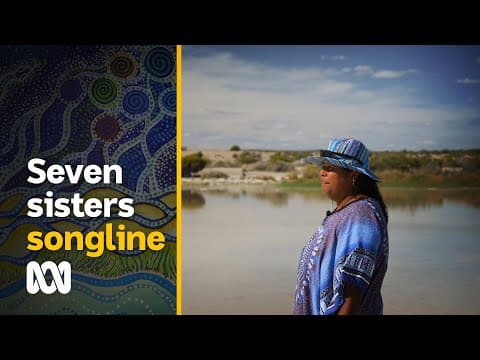
The Wirangu Seven Sisters creation story, shared by Susie Betts, highlights the deep cultural significance of the Seven Sisters constellation to the Wirangu people and its connections to other Indigenous cultures worldwide, emphasizing themes of reconciliation, connection to the land, and the shared human experience under the stars.
Yugarilya nyurni yadu (you good/beautiful). These words resonate deeply as Susie Betts, a Wirangu woman, embarks on a journey to explore the creation of her country, Wirangu manda. This blog post delves into the rich cultural narrative surrounding the Seven Sisters constellation, its significance to the Wirangu people, and its connections to Indigenous cultures across the globe.
Susie begins her journey at Birna Lake, surrounded by the beautiful Birinyi sandhills and clear springs. This land holds a profound connection to her ancestors, who once thrived here, gathering food and weaving with the reeds. The landscape is described as feminine and peaceful, embodying the essence of yadu.
The Wirangu people, coastal inhabitants, faced significant challenges in the 1800s when white settlers arrived, leading to violent conflicts. Many Wirangu were driven off cliffs to their deaths in the ocean, resulting in a long-standing avoidance of places like Elliston and Streaky Bay. However, reconciliation efforts have begun, allowing the Wirangu to reconnect with their land and heritage.
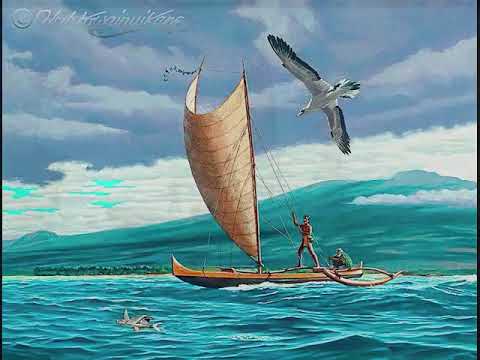
The eagle, known as waldya, serves as the Wirangu totem. It symbolizes the connection to their country and the stories of their ancestors. The eagle's nest, located at Murphy’s Haystack, is a ceremonial site for the Wirangu people, linking them to the Seven Sisters constellation and the broader night sky.
The Yugarilya, or Seven Sisters, is a vital part of the Wirangu creation story. This songline stretches across central Australia, with its capillaries shaping the land. The Seven Sisters are depicted as beautiful stars chased by the Hunter, Orion, who fell in love with them. This chase created hills and landscapes as the sisters pursued the snake, dyunu, down to earth.
As the story unfolds, the Hunter grows weary from chasing the Seven Sisters, who are too swift for him. His journey takes him across various landscapes, including Port Lincoln and the Blue Mountains, before he finally rests at Wangary. This narrative evokes a sense of longing and connection, illustrating the shared experiences of humanity under the stars.
Susie Betts' exploration of the Seven Sisters extends beyond Australia. Awarded a Winston Churchill Fellowship, she traveled to Northern and South America, where she discovered similar stories among Indigenous cultures. The Lakota Sioux recount a tale of seven maidens chased by a bear, leading to their transformation into stars. In Arizona, the Hopi people mirror the Orion constellation in their villages, believing in a shared origin from the stars.
In Peru, shamans honor the Seven Sisters in temples, emphasizing the universal connection of humanity to the cosmos. These stories highlight the galga-muga, or stars, as a guiding light, illustrating that the Seven Sisters Songline is not just a Wirangu narrative but a story for all people.
The Wirangu Seven Sisters creation story is a powerful testament to the interconnectedness of cultures and the shared human experience. It serves as a reminder of the importance of reconciliation, healing, and the enduring connection to the land and the stars. As Susie Betts eloquently states, the Yugarilya is a story for humanity and a call for peace, inviting everyone to recognize their place in the vast tapestry of existence under one sky.