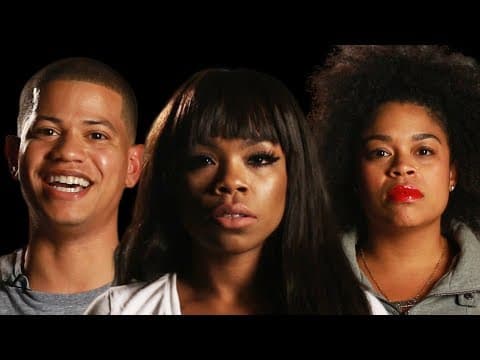
This blog post explores the complexities of Afro-Latino identity, highlighting personal experiences with colorism, beauty standards, and the importance of embracing African roots within the Latino community.
The Afro-Latino community is a rich tapestry of cultures and identities, yet many individuals within this group face unique challenges related to their racial and ethnic backgrounds. This blog post delves into the personal experiences of Afro-Latinos, shedding light on the struggles with identity, colorism, and the journey towards self-acceptance.
Many Afro-Latinos recount their early experiences of discovering their racial identity. One individual recalls the confusion surrounding the term "black," noting that people often referred to others as black, despite their varying shades of brown. This realization sparked a deeper understanding of racial identity and the complexities that come with it.
For many, pride in African heritage is a significant aspect of their identity. One speaker emphasizes the importance of embracing their African roots, stating that it is an integral part of who they are. This pride, however, is often challenged by societal perceptions and internalized beliefs about beauty and worth.
A common theme among Afro-Latinos is the feeling of not being "Latina enough" due to their skin color and hair texture. This sentiment is often reinforced by family members who perpetuate colorist attitudes, warning against dating individuals with darker skin. Such experiences highlight the pervasive nature of colorism within the Latino community, where darker skin is frequently viewed as less beautiful.
The legacy of colonialism plays a significant role in shaping perceptions of beauty within the Latino community. Many Afro-Latinos express that the desire to identify with European features stems from a long history of colonization, leading to a devaluation of darker skin tones. This internalized racism can result in feelings of inadequacy and self-hatred, as individuals struggle to reconcile their identity with societal standards.
The media's portrayal of beauty often favors lighter skin, which can further alienate those with darker complexions. One individual reflects on the lack of representation in popular media, noting that characters in telenovelas rarely resemble them. This absence of representation reinforces the idea that beauty is synonymous with lighter skin, perpetuating harmful stereotypes.
Despite these challenges, there is a growing movement among Afro-Latinos to celebrate and embrace their natural beauty. One speaker passionately asserts that dark skin is beautiful, highlighting its resilience and uniqueness. They encourage others to recognize their worth and understand that many people aspire to achieve the features that Afro-Latinos possess naturally.
The message is clear: it is essential to embrace one's identity and celebrate the beauty that comes with it. Afro-Latinos are encouraged to take pride in their skin color, hair texture, and unique features. As one speaker humorously notes, the world is shifting, and many are now seeking to emulate the very traits that have historically been marginalized.
The journey of self-acceptance for Afro-Latinos is ongoing, marked by both challenges and triumphs. By sharing their stories and experiences, individuals within this community can foster a greater understanding of the complexities of Afro-Latino identity. Embracing diversity and challenging colorism are crucial steps towards creating a more inclusive society where all forms of beauty are celebrated.