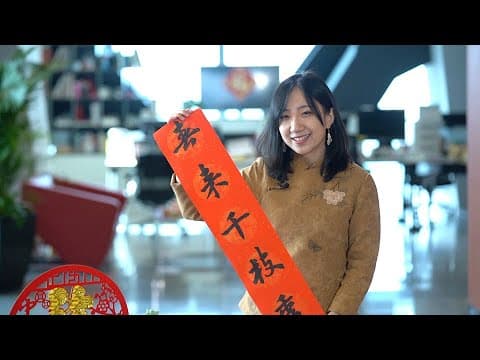
Chunlian, or New Year's couplets, are essential decorations for the Spring Festival in China, featuring bright red banners with poetic lines that symbolize good fortune and happiness. These couplets follow specific rules in structure and imagery, and are often accompanied by the character 'fu' for added significance.
The Spring Festival, also known as Chinese New Year, is a time of celebration and renewal in China. One of the most iconic elements of this festive period is the Chunlian, or New Year's couplets, which adorn the doors of homes across the country. These bright red banners are not just decorative; they carry deep cultural significance and convey wishes for the coming year.
Chunlian are typically composed of two lines of poetry that express hopes for prosperity, happiness, and good fortune. A popular example of a couplet is:
This couplet beautifully encapsulates the transition from winter to spring, symbolizing renewal and the promise of new beginnings. The imagery of blooming branches and reviving trees reflects the vibrancy of life that the Spring Festival celebrates.
While Chunlian can vary in content, they adhere to specific structural rules:
A central theme of the Spring Festival is the character 'fu', which stands for happiness and good fortune. This character is often placed in the center of the couplets, either upright or upside down. The upside-down placement is particularly significant because the word for "upside down" in Chinese sounds like the word for "arrive", symbolizing the arrival of good fortune.
In contemporary times, Chunlian have evolved, and you may find English couplets with modern twists that reflect current sentiments while maintaining the traditional essence. These adaptations allow for a broader appreciation of the cultural significance of Chunlian, making them accessible to a global audience.
Chunlian are more than just decorations; they are a vital part of the Spring Festival that encapsulates the hopes and aspirations of the Chinese people. By understanding the structure, significance, and modern interpretations of these couplets, one can appreciate the rich cultural heritage they represent. As families prepare for the festivities, the vibrant red couplets serve as a reminder of the joy and renewal that the New Year brings.