This blog post explores the implementation of dynamic routing using RIPv2, detailing the configuration process, the advantages of dynamic routing over static routing, and the fundamental concepts of routing protocols. It also discusses the differences between RIPv1 and RIPv2, multicast addressing, and the importance of routing tables in network communication.
Dynamic routing is a crucial aspect of networking that allows routers to communicate and share information about the networks they manage. In this post, we will delve into the implementation of dynamic routing using the Routing Information Protocol version 2 (RIPv2), highlighting its configuration, advantages, and key concepts.
RIPv2 is a dynamic routing protocol that enables routers to automatically share information about their networks. Unlike static routing, where routes must be manually configured, dynamic routing protocols like RIPv2 allow routers to learn about other networks without manual intervention. This capability simplifies network management and enhances scalability.
To begin configuring RIPv2, we first set up three routers with preconfigured IP addresses. Instead of reconfiguring each router for every practical exercise, we save the configurations under a specific name, such as "R proton."
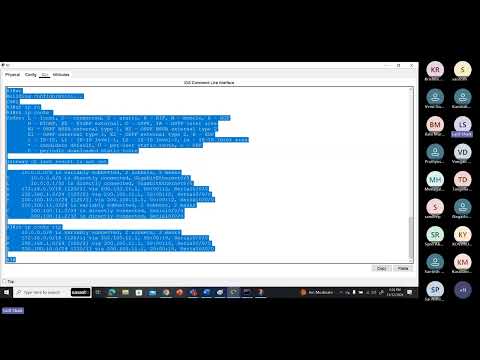
router rip followed by version 2. Specify the networks connected to the router without needing to mention other networks.show ip route to verify the routing table and ensure that the networks are being advertised correctly.For Router 1:
router rip
 version 2
 network 192.168.1.0
 network 172.16.0.0
For Router 2:
router rip
 version 2
 network 172.16.0.0
 network 200.100.10.0
For Router 3:
router rip
 version 2
 network 200.100.10.0
Once RIPv2 is configured, routers will share routing information. Each router will update its routing table based on the information received from its neighbors. The administrative distance for RIPv2 is 120, which is higher than static routes (administrative distance of 1). This means that if both static and dynamic routes exist for the same destination, the static route will be preferred.
The routing table will indicate how many hops are required to reach a particular network. For instance, if Router 3 needs to reach a network that is two hops away, it will show that it must pass through two other routers to reach the destination.
RIPv2 has a maximum hop count of 15. If a route requires more than 15 hops, it is considered unreachable. This limitation can lead to routing issues, such as routing loops or route poisoning, where a route is marked as unreachable due to excessive hops.
RIPv2 uses multicast addressing (specifically, the address 224.0.0.9) to send routing updates. This is different from RIPv1, which used broadcast addressing (255.255.255.255). The use of multicast allows RIPv2 to efficiently share routing information without overwhelming the network with broadcast traffic.
Dynamic routing protocols like RIPv2 offer several advantages over static routing:
In summary, RIPv2 is a powerful dynamic routing protocol that simplifies network management by allowing routers to automatically share routing information. By understanding its configuration, advantages, and limitations, network administrators can effectively implement RIPv2 in their networks. As networks grow and evolve, dynamic routing protocols will continue to play a vital role in ensuring efficient and reliable communication between devices.
While RIPv2 is a useful protocol, it is essential to explore other dynamic routing protocols such as EIGRP (Enhanced Interior Gateway Routing Protocol) and OSPF (Open Shortest Path First) for more complex networking environments. These protocols offer advanced features and greater scalability, making them suitable for larger networks.