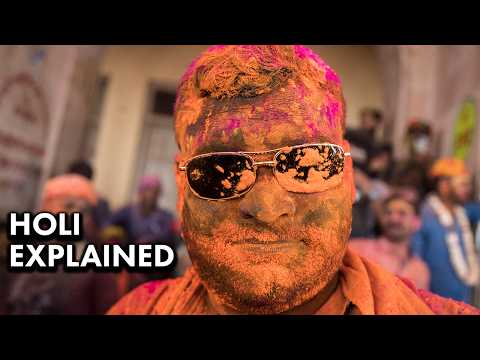
Holi, celebrated on the last full moon of Faluna, marks the arrival of spring and symbolizes the victory of good over evil. The festival features bonfires, playful color throwing, and a temporary suspension of social norms, allowing people of all backgrounds to come together in joy. Its origins are rooted in ancient texts and various sacred narratives, with celebrations varying across regions and cultures.
Holi, known as the Festival of Colors, is a vibrant and joyous celebration that marks the arrival of spring in India and among Hindu communities worldwide. This festival, celebrated on the last full moon of the Hindu month of Faluna, typically falls between mid-February and mid-March. Holi is not just a festival of colors; it embodies themes of renewal, love, and the triumph of good over evil.
Holi is characterized by two main activities: the lighting of bonfires and the playful throwing of colored powders. The festival spans a night and a day, with the bonfire ritual, known as Holika Dahan, occurring on the first night. This ritual symbolizes the victory of good over evil through the burning of Holika, a demoness, in northern India. In southern India, the focus shifts to the god of love, Kama, who is also honored during this time.
The following day is when the most iconic images of Holi come to life. Streets are filled with people of all ages and backgrounds, joyfully throwing colored powders and water at each other. This chaotic atmosphere allows for a temporary suspension of social norms, where barriers of caste, class, age, and gender dissolve, creating a sense of unity and shared joy.
The origins of Holi are steeped in ancient texts, with references dating back centuries. While the exact beginnings of the festival remain unclear, several sacred narratives are associated with its celebration:
The Burning of Holika: This story, found in texts like the Bhagavata Purana, tells of Prahlada, a devotee of Vishnu, who is saved from being burned by his aunt Holika due to his unwavering faith. This narrative symbolizes the triumph of devotion and righteousness over tyranny.
The Revival of Kama: Another tale involves Kama, the god of love, who attempts to awaken Shiva from his grief over the death of his wife, Sati. After being incinerated by Shiva, Kama is revived in a bodiless form, which is celebrated through the bonfires and color throwing of Holi.
Krishna and Radha: The playful love story of Krishna and Radha is often cited as the origin of the color-throwing tradition. Krishna, concerned about his darker skin compared to Radha's fair complexion, is said to have smeared colors on their faces, leading to the joyous practice seen today.
While Holi is predominantly celebrated in northern India, variations exist across South Asia and the world. In regions like West Bengal, Holi coincides with Dolyatra, celebrating the love of Radha and Krishna. In Goa, the festival is known as Shigm, lasting for 14 days with parades and folk dances.
Outside of India, Holi is celebrated in countries with Hindu diasporas, such as Nepal, Sri Lanka, and even in predominantly Muslim nations like Pakistan. In the Caribbean, Holi is recognized as Fagwa, a national holiday in countries like Guyana.
Despite its joyous nature, Holi faces challenges today. Concerns have been raised about the safety of colored powders, which may contain harmful substances. Additionally, the festival's spirit of revelry can sometimes lead to inappropriate behavior, particularly towards women, highlighting the need for awareness and respect during celebrations.
Moreover, the commercialization of Holi has sparked debates about cultural appropriation. Attempts to trademark the festival for commercial use have emerged, leading to confusion between authentic celebrations and commercialized events that lack cultural significance.
Holi is a festival that transcends mere celebration; it is a rich tapestry of history, culture, and community. As millions partake in this vibrant festival, it serves as a reminder of the importance of unity, love, and the triumph of good over evil. Whether celebrated in its traditional form or adapted in new cultural contexts, Holi continues to inspire joy and togetherness across the globe.