This blog post explores the significance of Human-Computer Interaction (HCI) in the context of digital transformation, illustrating how technology reshapes user experiences across various industries. It discusses the importance of user-centered design, the evolution of interaction methods, and the challenges posed by digital advancements, emphasizing the need for innovation and adaptability in today's technology-driven world.
Human-Computer Interaction (HCI) is a crucial field that examines how people interact with computers and other technologies. As we delve into the digital transformation era, understanding HCI becomes essential for creating user-friendly and efficient systems that impact various industries, including education, healthcare, and entertainment.
In the previous lecture, we outlined the course structure, objectives, and the importance of studying design. We discussed real-world examples, such as the evolution of cab booking from traditional methods to modern apps like Uber and Ola, showcasing how digital solutions enhance user experiences.
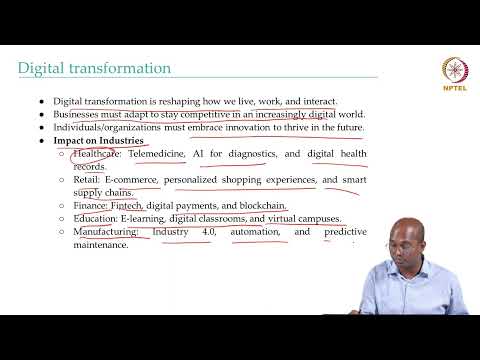
Digital transformation is reshaping how we live and work. For instance, the shift from manual bank transactions to digital payment apps like Paytm and PhonePe has streamlined processes, making them faster and more efficient. Businesses must adopt these innovations to remain competitive in an increasingly digital world.
Organizations must embrace innovation to thrive. Historical examples, such as Kodak and Nokia, illustrate the consequences of failing to adapt to new technologies. Companies that do not evolve risk becoming obsolete.
While digital transformation offers numerous benefits, it also presents challenges:
User-centered design is a fundamental principle in HCI, focusing on understanding user behavior, expectations, and limitations. This approach ensures that systems are not only functional but also enjoyable to use.
Usability focuses on how effectively users can achieve their goals using a product. Key aspects include:
Interaction design aims to create meaningful relationships between users and technology. Key principles include:
As technology evolves, so do interaction methods. Emerging trends include:
Accessibility is a critical aspect of HCI. Solutions must cater to users with disabilities, ensuring that everyone can benefit from technological advancements. This includes visual, motor, cognitive, and auditory accessibility considerations.
In summary, HCI plays a vital role in shaping user experiences in a digital world. By prioritizing user-centered design and embracing innovation, we can create solutions that not only meet user needs but also enhance their overall experience. As we continue this course, we will explore practical applications of these principles, culminating in projects that address real-world challenges.