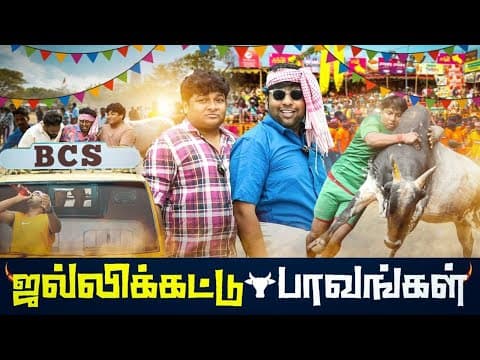
Jallikattu, a traditional bull-taming sport in Tamil Nadu, is steeped in cultural significance but faces criticism and legal challenges due to animal welfare concerns. This blog explores its history, the current debates surrounding it, and the perspectives of various stakeholders.
Jallikattu, a traditional sport celebrated in Tamil Nadu, India, has become a focal point of cultural pride and controversy. This ancient practice involves participants attempting to tame bulls, showcasing their strength and bravery. However, the sport has faced significant scrutiny over animal welfare issues, leading to legal battles and public protests. In this blog post, we will explore the history of Jallikattu, the arguments for and against it, and its current status in society.
Jallikattu has roots that trace back over 2,000 years, with references found in ancient Tamil literature. Traditionally, it was not just a sport but a means of showcasing valor and strength, often linked to the harvest festival of Pongal. The bulls used in Jallikattu are typically native breeds, which are revered in Tamil culture. The event is seen as a way to honor these animals and maintain their lineage.
For many in Tamil Nadu, Jallikattu is more than just a sport; it is a symbol of Tamil identity and pride. The event fosters community spirit, as it brings together people from various backgrounds to celebrate their heritage. Participants, known as "Paavangal," are often seen as local heroes, and the event is a rite of passage for many young men in the region.
Despite its cultural significance, Jallikattu has faced increasing criticism from animal rights activists and organizations. The primary concerns revolve around the treatment of bulls during the event. Critics argue that the sport can lead to severe injuries or even death for the animals involved. Reports of abuse and mistreatment have fueled the debate, leading to calls for a ban on the practice.
In 2014, the Supreme Court of India banned Jallikattu, citing animal welfare concerns. This decision sparked widespread protests across Tamil Nadu, with thousands of people taking to the streets to demand the revival of the sport. In response to public outcry, the Tamil Nadu government passed an ordinance in 2017 to allow Jallikattu to continue, but the legal battles have persisted.
Proponents of Jallikattu argue that the sport is an integral part of Tamil culture and tradition. They emphasize the importance of preserving native cattle breeds, which are often at risk of extinction. Supporters also highlight the economic benefits of the sport, as it attracts tourism and provides livelihoods for many in rural areas.
On the other hand, opponents maintain that animal welfare should take precedence over cultural practices. They argue that no tradition should justify the suffering of animals. Activists advocate for alternative ways to celebrate Tamil culture that do not involve animal cruelty, suggesting that the focus should shift towards more humane practices.
The future of Jallikattu remains uncertain as legal challenges continue and public opinion evolves. While many in Tamil Nadu are passionate about preserving this tradition, the growing awareness of animal rights issues may lead to significant changes in how the sport is conducted or even its eventual discontinuation.
Jallikattu is a complex issue that encapsulates the clash between tradition and modern values. As discussions around animal welfare gain traction, it is crucial for all stakeholders to engage in constructive dialogue. Finding a balance between preserving cultural heritage and ensuring the humane treatment of animals will be essential for the future of Jallikattu and similar traditions.