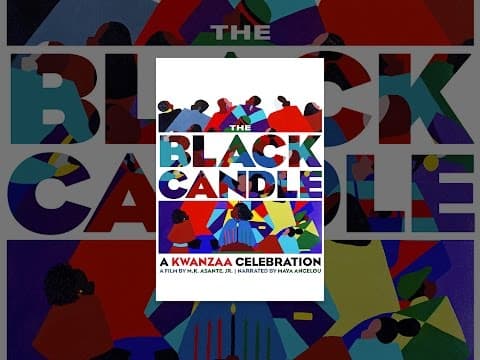
Kwanzaa is a cultural holiday that celebrates African heritage and community values through its seven guiding principles. Originating in the 1960s, it serves as a reminder of the importance of unity, self-determination, collective responsibility, cooperative economics, purpose, creativity, and faith among African Americans. This blog post explores the significance of Kwanzaa, its historical context, and its impact on the African American community.
Kwanzaa is a holiday that holds deep significance for many African Americans, celebrating their heritage, culture, and community values. Established in the 1960s, Kwanzaa serves as a reminder of the importance of unity and self-determination among people of African descent. This blog post delves into the origins of Kwanzaa, its guiding principles, and its relevance in today's society.
Kwanzaa was created by Dr. Maulana Karenga in 1966 during a time of cultural awakening and civil rights activism. It was established as a response to the cultural crisis faced by African Americans, who often felt disconnected from their roots and heritage. The first Kwanzaa celebration took place in Los Angeles, California, and aimed to foster a sense of community and pride among African Americans.
Kwanzaa is not a religious holiday, nor is it an alternative to Christmas. Instead, it is a celebration of African culture and values, emphasizing the importance of family, community, and heritage. The holiday spans seven days, each dedicated to one of the seven principles known as Nguzo Saba.
Kwanzaa is centered around seven guiding principles, each represented by a candle lit during the celebration:
Umoja (Unity): This principle emphasizes the importance of unity within the family and community. It encourages individuals to work together harmoniously.
Kujichagulia (Self-Determination): This principle honors the ways in which individuals define and speak for themselves, promoting self-empowerment and independence.
Ujima (Collective Work and Responsibility): Ujima focuses on the importance of working together to solve problems and build healthy communities.
Ujamaa (Cooperative Economics): This principle promotes the practice of shared social wealth and encourages individuals to support black-owned businesses.
Nia (Purpose): Nia helps individuals understand their purpose in life and encourages them to strive for personal and communal goals.
Kuumba (Creativity): This principle emphasizes the importance of using creativity to enhance the community and create beauty in the world.
Imani (Faith): Imani represents the belief in the values of family, community, and culture, fostering hope for a better future.
Kwanzaa has grown significantly since its inception, with millions of people celebrating it worldwide. It serves as a platform for African Americans to reconnect with their heritage and instill pride in their cultural identity. The holiday encourages dialogue between generations, fostering a sense of continuity and shared purpose.
In contemporary society, Kwanzaa continues to be relevant as it addresses the ongoing cultural crisis faced by African Americans. The principles of Kwanzaa encourage individuals to reflect on their identity, history, and the importance of community support. The holiday also serves as a reminder of the need for economic empowerment and self-determination within the African American community.
Kwanzaa is more than just a holiday; it is a celebration of African heritage, culture, and community values. By embracing the principles of Kwanzaa, individuals can foster unity, self-determination, and a sense of purpose in their lives. As we continue to navigate the complexities of modern society, Kwanzaa remains a vital reminder of the strength and resilience of the African American community.