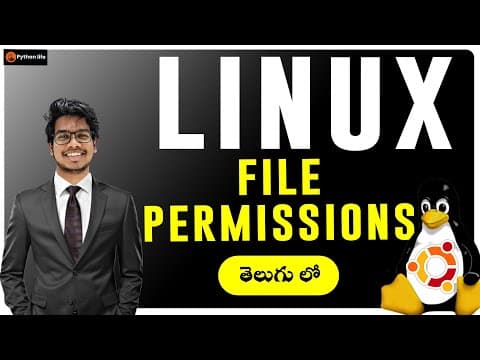
This blog post explains the concept of file permissions in Linux, detailing how to manage read, write, and execute permissions using the chmod command, and clarifying the roles of user, group, and others in file access.
Linux is a powerful operating system that is widely used for its flexibility and control over system resources. One of the fundamental aspects of Linux is its file permission system, which governs who can access and modify files. This blog post will delve into the intricacies of Linux file permissions, focusing on how to manage them effectively.
File permissions in Linux determine the actions that users can perform on files and directories. There are three primary types of permissions:
These permissions can be assigned to three different categories of users:
The chmod command is used to change the permissions of a file or directory in Linux. The syntax for the command is as follows:
chmod [permissions] [file]
Permissions can be set using either symbolic or numeric modes. For example, to grant write permission to a file named example.txt, you would use:
chmod +w example.txt
Alternatively, you can use numeric values to set permissions. Each permission type has a corresponding number:
To set read and write permissions for the user and read permissions for the group and others, you would use:
chmod 644 example.txt
To remove permissions, you can use the minus sign (-). For instance, to remove write permission from example.txt, you would execute:
chmod -w example.txt
Let’s consider a practical example to illustrate how permissions work. Suppose you have a directory named downloads and you want to set specific permissions for it. You can use the following command:
chmod 755 downloads
This command sets the permissions so that the user can read, write, and execute, while the group and others can only read and execute.
Understanding and managing file permissions is crucial for maintaining security and proper access control in a Linux environment. By using the chmod command effectively, users can ensure that their files are protected from unauthorized access while allowing necessary collaboration among users. With this knowledge, you can navigate the Linux file system with confidence and control.
Thank you for reading!