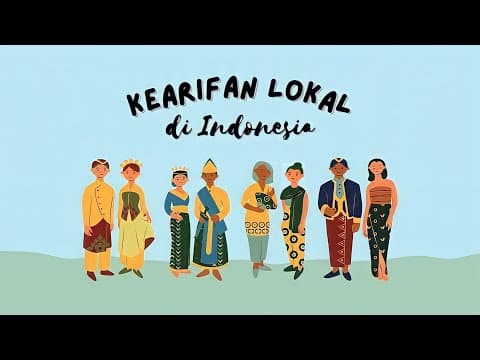
This blog post explores the concept of local wisdom, its characteristics, forms, and significance in Indonesian culture, emphasizing its role in ethical values, environmental conservation, and cultural development.
In this blog post, we will explore the concept of local wisdom, a term that encompasses the rich cultural heritage and ethical values of local communities. Local wisdom is derived from two words: "local," referring to the community or area, and "wisdom," which signifies knowledge and understanding. Together, they represent the wise ideas and practices that are deeply rooted in the traditions of local societies.
Local wisdom can be understood as the collective knowledge and values that have been passed down through generations. It is the result of a long process of adaptation to the natural environment where these communities reside. This wisdom serves as a guiding principle for the members of the society, influencing their way of life and interactions with the world around them.
Local wisdom possesses several key characteristics:
Local wisdom can be categorized into two main forms: tangible and intangible.
Tangible local wisdom includes physical manifestations of cultural heritage, such as:
Intangible local wisdom encompasses verbal teachings and artistic expressions, including:
Local wisdom plays a crucial role in various aspects of Indonesian life:
Local wisdom is an invaluable aspect of Indonesian culture, embodying the ethical, environmental, and social values that have been cultivated over generations. Understanding and preserving this wisdom is essential for maintaining cultural identity and promoting sustainable practices in contemporary society. Thank you for reading, and we hope this exploration of local wisdom has been enlightening.