This blog post explores the fascinating world of quantum computers, detailing their unique capabilities, the technology behind them, and their potential impact on various fields, including encryption and material science. Through an engaging dialogue between Marques Brownlee and a quantum physicist, readers gain insights into how quantum computers differ from classical computers and why they are crucial for the future.
Quantum computers are often shrouded in mystery and confusion, yet they represent a groundbreaking advancement in technology. In a recent exploration led by Marques Brownlee, we delve into the essence of quantum computing, its implications, and why it matters to our future.
At first glance, a quantum computer may look like any other computer, but it operates on principles that are fundamentally different from classical computers. While classical computers use bits as the smallest unit of data, which can be either 0 or 1, quantum computers utilize qubits. Qubits can exist in multiple states simultaneously, allowing quantum computers to process information in ways that classical computers cannot.
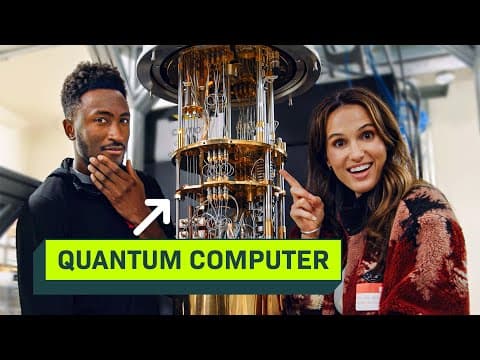
Marques and his team embarked on a journey to understand quantum computers better. They visited IBM's quantum computer facility, where they encountered the largest quantum computer currently in existence. The excitement was palpable as they prepared to learn about this cutting-edge technology.
One of the key takeaways from their exploration is that quantum computers are not simply faster versions of classical computers. Instead, they are designed for entirely different tasks. To illustrate this, a quantum physicist provided an analogy comparing classical computers to cars and quantum computers to boats. While cars can navigate roads efficiently, boats are essential for traversing waters that cars cannot reach. Similarly, quantum computers excel in solving complex problems that are beyond the capabilities of classical computers.
Quantum computers operate at extremely low temperatures, often colder than outer space. This is necessary to maintain the stability of qubits, which are sensitive to their environment. The technology behind quantum computers involves sophisticated refrigeration systems that keep them functioning at these frigid temperatures.
One of the most promising applications of quantum computing is in simulating natural processes. Nature itself operates on quantum principles, and understanding these processes at a molecular level could lead to breakthroughs in material science and medicine. For instance, developing new battery technologies or creating innovative materials could become feasible with the computational power of quantum computers.
Another critical area of interest is encryption. Quantum computers have the potential to break traditional encryption methods, such as RSA encryption, which secures online transactions. The famous Shor's Algorithm allows quantum computers to factor large numbers efficiently, posing a threat to current encryption standards. As quantum technology advances, there is a pressing need for quantum-resistant encryption methods to safeguard our digital information.
While current quantum computers have made significant strides, they are still in the early stages of development. As of now, IBM has achieved a record of 433 qubits, but experts believe that reaching a million qubits is within reach in the near future. This advancement could lead to practical applications of quantum computing that will impact everyday life.
The journey into quantum computing is likened to exploring a bottomless ocean. As technology evolves, new applications and capabilities will emerge, allowing us to tackle problems previously thought insurmountable. The excitement surrounding quantum computing is not just about its current capabilities but also about its potential to transform our understanding of the world.
Quantum computers represent a significant leap forward in technology, with the potential to revolutionize various fields, from material science to cybersecurity. As we continue to explore and understand this complex technology, it becomes clear that quantum computing is not just a passing trend but a fundamental shift in how we approach problem-solving in the digital age. The future is bright, and the possibilities are endless as we navigate the uncharted waters of quantum technology.