The blog post discusses the challenges organizations face with ransomware attacks, the emotional toll on CEOs, the role of cyber liability insurance, and the need for better defenses and government accountability to combat these threats.
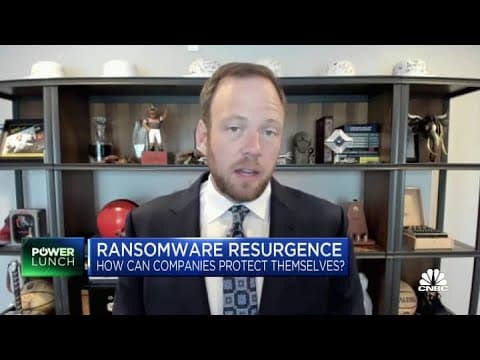
Ransomware attacks have become a significant threat to organizations worldwide, crippling operations and forcing difficult decisions. In a recent discussion with the CEO of TrustedSec, a firm specializing in real-time responses to ransomware threats, several key insights emerged regarding the current landscape of cybersecurity and the emotional impact on business leaders.
The findings from TrustedSec reveal that a staggering 85% of boards have engaged in discussions about ransomware. However, only 39% of those boards felt they made the right decision when faced with a ransomware incident. The CEO shared poignant stories of CEOs who, in moments of crisis, found themselves in tears as their century-old family businesses faced shutdowns. This highlights the severe emotional and operational impact ransomware can have on organizations.
When organizations are attacked, they often find themselves with no viable options left. The CEO emphasized that for many, paying the ransom becomes the last resort to recover their business and maintain operations. Unfortunately, this decision can inadvertently empower attackers, enabling them to target larger organizations in the future.
A critical aspect of the conversation revolved around cyber liability insurance and its effectiveness in mitigating the financial impact of ransomware payments. The CEO noted that while some companies do have coverage, the reality is that only about 40% to 50% of those who pay ransoms receive reimbursement, and typically not the full amount. This highlights the complexities and limitations of insurance policies in the context of ransomware attacks.
The fine print in these insurance policies often contains numerous exclusions and conditions, making it challenging for organizations to navigate claims successfully. Thus, while insurance can provide some relief, it is not a guaranteed safety net for businesses facing ransomware demands.
The discussion also touched on the government's position regarding ransom payments. Many government officials advocate against paying ransoms, suggesting that it encourages further criminal activity. However, the CEO argued that this perspective overlooks the reality faced by many organizations.
He pointed out that without adequate defenses, companies are often unprepared to handle ransomware threats. The U.S. government has yet to hold accountable the organized crime groups operating from countries like Russia, which complicates the situation further. The CEO warned that a blanket ban on ransom payments could lead to a scenario where numerous companies are unable to recover, resulting in widespread shutdowns.
Ultimately, the conversation underscored the necessity for organizations to enhance their cybersecurity defenses. The CEO emphasized the mantra of "better defense, better offense," suggesting that companies must invest in robust security measures to protect themselves against ransomware threats.
This dual approach involves not only strengthening defenses but also advocating for governmental accountability in addressing the root causes of ransomware attacks. By pushing for stronger measures against cybercriminals and improving internal security protocols, organizations can better prepare themselves for the challenges posed by ransomware.
Ransomware attacks present a complex challenge for organizations, requiring difficult decisions and emotional resilience from leaders. As the landscape of cybersecurity continues to evolve, it is crucial for businesses to prioritize their defenses and engage with government initiatives aimed at combating cybercrime. By doing so, they can better protect themselves and their operations from the devastating effects of ransomware.