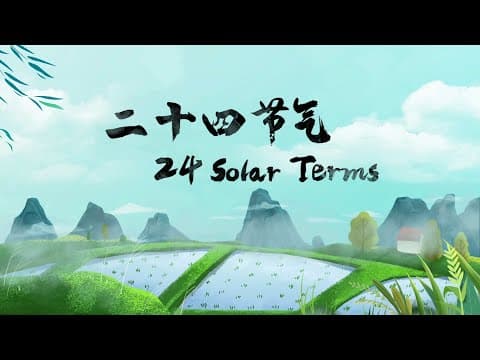
The 24 solar terms, an ancient Chinese system for marking time based on natural observations, play a crucial role in agriculture, cultural rituals, and modern life, reflecting the harmony between humanity and nature.
More than 2,000 years ago, ancient Chinese people developed a comprehensive framework to mark the passage of time based on their observations of nature. This system, known as the 24 solar terms, has been recognized as one of the five great inventions of China. In 2016, the 24 solar terms were included in the UNESCO representative list of the intangible cultural heritage of humanity.
The 24 solar terms divide the year into distinct periods, each associated with specific climatic changes and agricultural activities. The terms are as follows:
Among these, the summer solstice and winter solstice mark the longest and shortest days of the year, respectively, while the spring equinox and autumn equinox represent the days with equal amounts of daylight and nighttime. This division of the year into four parts—spring, summer, autumn, and winter—reflects the cyclical nature of time and the environment.
The 24 solar terms were not only essential for guiding agricultural production but also played a significant role in shaping Chinese folk customs. For instance, the winter solstice was the first term to be recognized and later evolved into a festival dedicated to worshiping heaven and ancestors. During the Ming and Qing dynasties, emperors would hold ceremonies at the Temple of Heaven, praying for favorable weather and prosperity for the nation.
Today, the 24 solar terms continue to influence various aspects of life in China. They serve as a guide for daily activities, reminding people to adapt to seasonal changes through appropriate foods and cultural rituals. Some seasonal customs include:
These practices have become integral to Chinese life, reflecting a deep respect for tradition and the natural world.
As people's understanding of traditional culture deepens, the 24 solar terms have inspired a resurgence of cultural products, including creative cuisines and designs. This ancient time system has gained new charm and vitality in contemporary society, showcasing the emotional bond, wisdom, and creativity of the Chinese people.
The 24 solar terms represent a common cognitive system among the Chinese, reflecting their respect for nature and the harmonious relationship between humanity and the environment. This profound cultural heritage continues to shape the way people think and act, emphasizing the importance of adapting to the rhythms of nature in both agricultural practices and daily life.