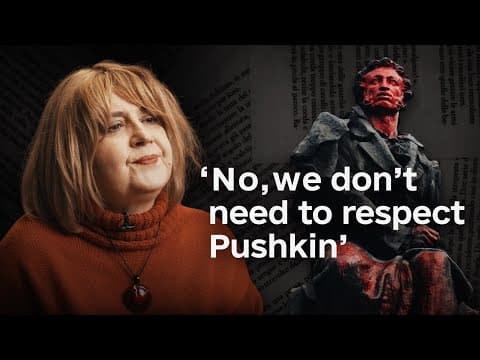
This blog post explores the nuances of Ukrainian culture, literature, and the impact of war on self-expression, highlighting the need for a deeper understanding of Ukraine's historical and feminist literary traditions, as well as the challenges faced by Ukrainian writers in the current geopolitical climate.
In recent years, the global spotlight has increasingly turned towards Ukraine, especially in light of the ongoing conflict with Russia. However, there remains a significant gap in understanding the complexities of Ukrainian culture and its historical context. This blog post delves into the nuances of Ukrainian identity, literature, and the challenges faced by writers in expressing their truths during wartime.
The war in Ukraine has prompted a surge of global interest in Ukrainian culture. Yet, there is a recognition that both the West and Ukrainians themselves have much to learn. Ukrainians are currently navigating a phase of self-discovery, grappling with their history and identity in the face of external aggression. This period of reflection is crucial as Europe confronts its security challenges for the first time since World War II.
The discussion of Ukraine's historical position often references the failed project of Hetman Mazepa in the early 18th century. This project aimed to create a democratic intermarriage of states, promoting equality among nations rather than a hierarchy of power. Understanding this historical context is essential for grasping the current dynamics of Ukrainian identity and its aspirations for a more equitable European future.
Ukrainian literature boasts a strong feminist tradition that has often been overlooked. Writers like Olha Kobylianska and others have contributed significantly to feminist discourse long before their Western counterparts. Their works reflect a unique perspective that is essential for a complete understanding of European literature.
Historically, Ukrainian women enjoyed rights that were rare in many parts of Europe, such as property ownership and inheritance through the maternal line. This cultural backdrop has fostered a strong female voice in literature, which continues to resonate today. The preservation of ancient pagan traditions and the prominence of female narratives in folk songs further illustrate the depth of women's contributions to Ukrainian culture.
The ongoing war has imposed significant constraints on Ukrainian writers. One of the most profound challenges is the loss of the privilege to criticize their own country. In times of conflict, the need for solidarity often stifles dissenting voices, leading to a form of self-censorship that can hinder creative expression. Writers are compelled to prioritize national strength over personal critique, complicating their artistic endeavors.
While poetry and essays thrive as forms of quick reaction to the war, larger literary forms like novels face more significant challenges. Writers grapple with the taboo of discussing the war's impact on their work, as the urgency of the situation often overshadows deeper explorations of the conflict's implications.
Ukrainian authors face the difficult task of addressing the normalization of Russian culture in the West, especially when it comes to portraying Russian soldiers as victims. This normalization can undermine the realities of the war and the suffering of Ukrainians. Writers must navigate these complex dynamics carefully, balancing their desire for artistic expression with the need to maintain a clear stance against aggression.
It is crucial for Ukrainian writers to distinguish between anti-war sentiments and the broader cultural narratives that may inadvertently legitimize Russian perspectives. While dialogue with anti-war Russian writers may be possible on a personal level, public discussions that equate Ukrainian and Russian suffering are seen as inappropriate until a resolution is reached.
The complexities of Ukrainian culture, particularly in the context of war, demand a nuanced understanding from both Ukrainians and the global community. As Ukrainian writers continue to navigate their identities and the challenges posed by conflict, it is essential to recognize and celebrate their contributions to literature and culture. The rich feminist tradition and the historical context of Ukraine offer valuable insights that can enhance the global literary landscape, fostering a deeper appreciation for the resilience and creativity of Ukrainian voices in these trying times.