This blog post explores the cultural richness of Indonesia, focusing on the Talang Mamak tribe, their traditional lifestyle, beliefs, and the challenges they face due to environmental changes and lack of government recognition.
Indonesia is a nation renowned for its cultural diversity, encompassing various ethnic groups, beliefs, religions, and abundant natural resources. This diversity is encapsulated in the national motto, "Bhinneka Tunggal Ika," which translates to "Unity in Diversity." While this diversity is a strength, it can also pose challenges. To harness this diversity effectively, integrity and unity are essential.
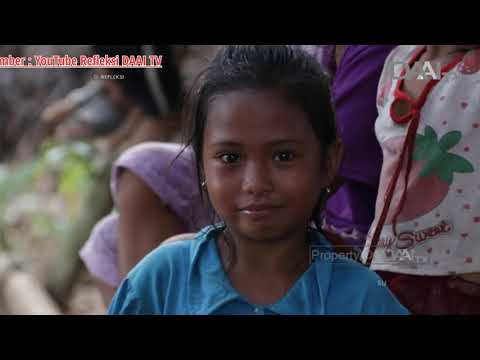
Among the many ethnic groups in Indonesia, the Talang Mamak tribe stands out with its rich cultural heritage and traditional practices. The Talang Mamak people reside along the Indragiri River in Riau Province, Indonesia. They maintain a close relationship with nature, deeply rooted in their customs and traditions, which they strive to preserve.
The Talang Mamak tribe's culture is intricately linked to the natural environment. Their beliefs emphasize the importance of nature, with a strong conviction that their customs must not be lost. The tribe's identity is closely tied to the forests, which serve as a vital resource for their livelihood. However, the current state of their ancestral forests is alarming, as many areas have been converted into plantations and industrial lands, threatening their way of life.
The Talang Mamak tribe possesses unique beliefs that differ from other ethnic groups in Indonesia. They practice a form of Islam known as "Islam Langkah Mamak," which incorporates elements of animism. This belief system is not officially recognized by the government, leading to challenges in obtaining legal documentation such as birth certificates and identity cards.
The lack of government acknowledgment of their beliefs has significant implications for the Talang Mamak people. Many individuals face difficulties in obtaining essential documents, which affects their ability to access education and healthcare. The absence of recognition also extends to their traditional marriage practices, which are not officially recorded, further complicating their legal status.
Land ownership is another critical issue for the Talang Mamak tribe. The absence of legal recognition for their land rights has led to encroachments by external entities, resulting in the loss of their ancestral lands. This situation not only threatens their cultural identity but also their survival, as they rely on these lands for sustenance.
Despite the pressing issues faced by the Talang Mamak tribe, there has been a lack of adequate government response. Efforts to recognize their cultural identity and land rights have been slow, leading to frustration among the community. The government has initiated discussions about recognizing indigenous communities, but tangible actions remain limited.
The Talang Mamak tribe seeks protection and acknowledgment from the government to preserve their culture and way of life. They hope for a future where their rights are recognized, allowing them to maintain their traditions and sustain their livelihoods. The preservation of their culture is not only vital for the Talang Mamak but also contributes to the broader cultural tapestry of Indonesia.
The Talang Mamak tribe exemplifies the rich cultural diversity of Indonesia, facing significant challenges in preserving their identity amidst environmental changes and governmental neglect. It is crucial for the government and society to recognize and support the rights of indigenous communities like the Talang Mamak to ensure the survival of their unique cultural heritage and contribute to the nation's diversity.