This blog post explores the concept of 'haters' through the lens of philosophy, particularly the ideas of Diogenes of Sinope, contrasting superficial criticism with genuine cynicism and the pursuit of a virtuous life.
In a wealth-obsessed world where every demographic clings to politically correct yet narrow-minded ideologies, the emergence of what we now call "the hater" is hardly surprising. But what drives this phenomenon? Are haters truly cynical, or are they merely posers?
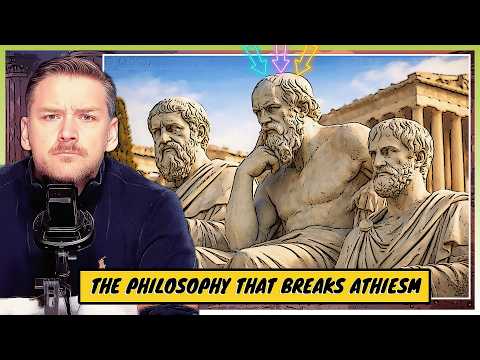
To delve into this question, we can look back at the teachings of Ancient Greek philosopher Diogenes of Sinope. Diogenes is often seen as a quintessential cynic, someone who actively pursued a lifestyle that defied social conventions. His philosophy was not merely about rebellion; it was rooted in a belief that reason surpasses passion, courage is more valuable than wealth, and that social conventions should be disregarded whenever possible.
Diogenes believed that by detaching oneself from societal norms and material comforts, one could achieve a freer and more fulfilling life. This perspective challenges the common belief that modern conveniences enhance our lives. In fact, many might argue that such detachment leads to a more difficult existence. However, Diogenes maintained that true freedom comes from living authentically, in action, speech, and self-sufficiency.
In stark contrast to Diogenes' philosophy, haters often embody a superficial stance. They tend to look down on anything that does not align with their narrow definitions of what is "cool" or "rad." While this critical viewpoint may seem entertaining, it lacks depth and meaning. According to Diogenes, such behavior does not contribute to a virtuous life.
A Cynic, as defined by Diogenes, is someone who risks their social status to pursue a life of virtue. This pursuit can be dangerous and requires a serious commitment to living authentically. For instance, a true Cynic might choose to live a homeless life, rejecting societal norms and the allure of wealth. They are not impressed by status or material possessions; instead, they strive for a simple existence in harmony with nature.
On the other hand, haters often remain on the sidelines, passing judgment without taking any meaningful action. Their criticisms are frequently rooted in jealousy of what they lack, making them vulnerable to the very Cynics they dismiss. It is far easier to adopt a critical stance than to engage earnestly in the pursuit of a virtuous life.
Being a Cynic demands real effort and action. It requires a commitment to virtue and a willingness to confront uncomfortable truths. In contrast, the hater's approach is characterized by dismissive comments and a lack of engagement. For example, a hater might respond to a question with a smug remark like, "If you have to ask, you obviously don’t get it…" This attitude reflects a refusal to engage in meaningful discourse.
As we reflect on the nature of haters and Cynics, we must ask ourselves: Are we merely players in the game of criticism, or are we striving to be original Cynics? The distinction lies in our willingness to engage with the world authentically and pursue a life of virtue, rather than simply standing back and passing judgment. In a society rife with superficiality, the challenge remains to seek deeper understanding and genuine connection with our values and actions.