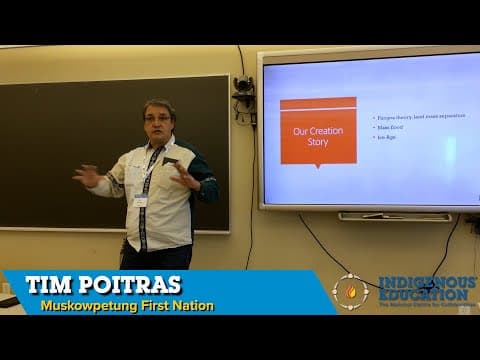
This blog post explores the Seven Sacred Rites of the Lakota Oyate, emphasizing their significance in promoting health, healing, and cultural identity. It discusses the historical context, the impact of colonization, and the importance of these ceremonies in contemporary life, particularly for the youth. Through personal anecdotes and cultural teachings, the post highlights the need for respect towards women and the role of traditional practices in fostering community well-being.
Good afternoon, everyone. My name is Tim Putra, and I am from the Musculating First Nation. Today, I want to share insights about the Seven Sacred Rites of the Lakota Oyate, which are vital for understanding our culture and promoting health and healing within our communities.
Before diving into the rites, I want to acknowledge my late wife, who was a significant figure in education and a source of inspiration for many. She passed away in my arms on May 28, 2017, and since then, I have been on a journey of healing and understanding. My role as a Sundance chief involves defending children and supporting our elders, bridging the gap between generations.
The Lakota Oyate, known as the Oceti Sakowin, have faced immense challenges due to colonization, assimilation, and historical trauma. These experiences have led to a loss of cultural knowledge and practices, particularly regarding our sacred ceremonies. The prohibition of Sioux ceremonies in the 18th and 19th centuries diminished the frequency and importance of these rites, but today, we are witnessing a reawakening of our traditions.
The Seven Sacred Rites are essential for the psychological, physical, spiritual, and emotional healing of individuals and communities. Each rite serves a unique purpose and occurs at different stages of life and seasonal changes. Here, I will outline these rites:
The Chanupa, or pipe ceremony, is sacred to us, akin to the Ten Commandments in Christianity. It emphasizes respect for women, as the pipe was brought to us through the spirit of a woman. This ceremony teaches us the importance of truth and honesty in our relationships and the need to honor our women, who are central to our culture.
The sweat lodge represents the womb of our mothers and serves as a place for purification and prayer. Traditionally, men would sweat only when necessary, but today, we recognize the importance of this ceremony for spiritual cleansing and connection to our ancestors.
The vision quest is our highest form of prayer, where individuals seek guidance and understanding from the Creator. This rite is crucial for personal growth and discipline, especially for young men as they transition into adulthood.
The Sundance is a significant ceremony that involves fasting and dancing, representing sacrifice and renewal. It is a time for individuals to connect deeply with their spirituality and community, following the old laws that have guided us for generations.
This rite emphasizes the importance of relationships and community bonds. It is a ceremony that fosters connections among individuals, reinforcing the idea that we are all related and responsible for one another.
The keeping of the soul involves honoring those who have passed away. It is a therapeutic practice that helps individuals cope with loss and maintain a connection with their ancestors through spiritual offerings.
Every seven years, individuals undergo significant changes in their lives. This rite acknowledges those transitions and the role of mothers and grandmothers as teachers, preserving the knowledge and traditions of our people.
Colonization has disrupted our traditional practices and instilled fear of our culture and spirituality. Many of us grew up in residential schools, where our identities were suppressed. However, we are now at a pivotal moment of reawakening, where younger generations are encouraged to reconnect with their heritage and participate in these sacred rites.
In conclusion, the Seven Sacred Rites of the Lakota Oyate are not just ceremonies; they are vital practices that promote health, healing, and cultural identity. As we navigate the challenges of modern life, it is essential to remember the teachings of our ancestors and the importance of respecting one another, especially women. By embracing these rites, we can foster a sense of community and well-being for ourselves and future generations. Thank you for your time, and I hope you take these teachings to heart for the benefit of your children and grandchildren.