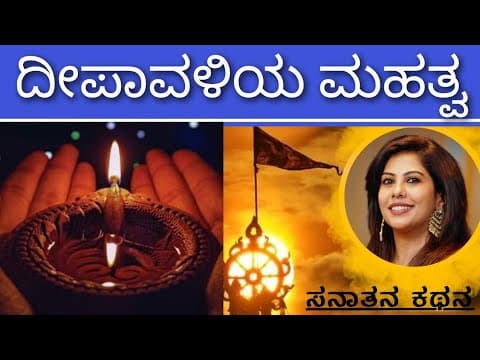
Deepawali, also known as Diwali, is a significant festival in Hindu culture, symbolizing the victory of light over darkness and good over evil. This blog post delves into the historical, cultural, and spiritual aspects of Deepawali, exploring its rituals, stories, and the importance of celebrating this festival in today's world.
Deepawali, commonly referred to as Diwali, is one of the most celebrated festivals in Hindu culture. It marks the victory of light over darkness and good over evil. In this blog post, we will explore the historical, cultural, and spiritual significance of Deepawali, along with its rituals and the stories that accompany this vibrant festival.
The origins of Deepawali can be traced back to ancient Hindu scriptures, where it is associated with various mythological events. One of the most prominent stories is that of Lord Rama's return to Ayodhya after defeating the demon king Ravana. The people of Ayodhya celebrated his return by lighting lamps, symbolizing the triumph of good over evil.
Another significant aspect of Deepawali is its connection to Lord Krishna, who defeated the demon Narakasura. This event is celebrated on Naraka Chaturdashi, the day before the main festival, where people remember the victory of Lord Krishna and the liberation of the 16,100 princesses held captive by Narakasura.
Deepawali is celebrated across India, with various regions having their unique customs and traditions. In Northern India, the festival is primarily associated with the worship of Goddess Lakshmi, the deity of wealth and prosperity. In Southern India, it is celebrated as a day of victory over evil, while in Western India, it marks the beginning of the new year.
The festival is not just about lighting lamps and bursting crackers; it is a time for family gatherings, sharing sweets, and performing rituals that honor deities. The rituals often include cleaning and decorating homes, preparing special dishes, and performing prayers to invite prosperity and happiness into one’s life.
Deepawali is deeply rooted in spirituality. The lighting of lamps (diyas) symbolizes the inner light that protects from spiritual darkness. It is a reminder to individuals to seek knowledge and wisdom, fostering a sense of community and togetherness.
The festival also emphasizes the importance of health and well-being. The worship of Lord Dhanvantari, the god of Ayurveda, highlights the significance of health in achieving wealth and prosperity. This connection between health and wealth is a crucial aspect of the celebrations, reminding individuals to prioritize their well-being.
In today’s fast-paced world, the essence of Deepawali remains relevant. It serves as a reminder to pause and reflect on the values of compassion, gratitude, and community. The festival encourages individuals to reconnect with their roots and appreciate the simple joys of life.
Moreover, the scientific approach to celebrating Deepawali can be seen in the emphasis on environmental consciousness. Many people are now opting for eco-friendly celebrations, using natural materials for decorations and avoiding harmful firecrackers, thus promoting a healthier planet.
Deepawali is more than just a festival; it is a celebration of life, culture, and spirituality. It teaches us the importance of light in our lives, both literally and metaphorically. As we celebrate this festival, let us embrace its teachings and strive to bring light into our lives and the lives of others.
In essence, Deepawali is a time for reflection, gratitude, and the celebration of life’s blessings. May this festival bring joy, prosperity, and health to all.