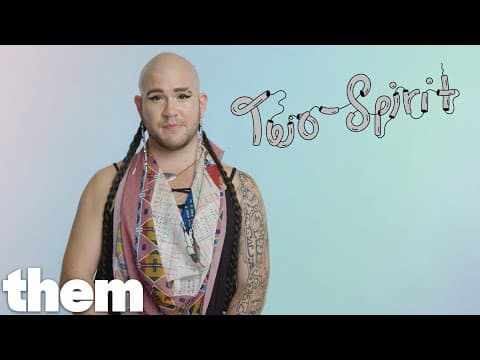
The term 'Two-Spirit' is an umbrella identity that bridges indigenous and Western understandings of gender and sexuality, rooted in centuries of tradition among Native peoples. It emerged in the 1990s to reclaim and redefine gender roles and identities that were historically respected within indigenous cultures, countering colonial narratives that imposed rigid gender norms.
The term "Two-Spirit" has gained recognition in recent years, particularly within LGBTQ+ discussions, but its roots run deep in the traditions of indigenous peoples of North America. This blog post explores the meaning, history, and significance of Two-Spirit identity, shedding light on its importance in contemporary society.
Two-Spirit is an umbrella term that encompasses various indigenous understandings of gender and sexuality. It is often associated with the LGBTQ+ community, as it appears in the acronym LGBTQ2S, where the "2" signifies Two-Spirit individuals. The term was intentionally created by Native people to foster understanding and education about traditional teachings in a modern context.
The Two-Spirit Society of Denver defines Two-Spirit as a gender role that has been recognized among many indigenous cultures of Turtle Island (North America). This identity is rooted in spiritual teachings that emphasize the sacredness of all life. Each indigenous nation has its own specific definitions and understandings of Two-Spirit, reflecting diverse cultural beliefs and practices.
The term Two-Spirit was first proposed in 1990 during the third annual Native American gay and lesbian gathering in Winnipeg, Manitoba. It emerged as a solution to the challenge of naming the various sexual and gender identities that exist within indigenous cultures, aiming to create a common language that could bridge native and non-native understandings.
For instance, in the Lakota language, the term "winkta" refers to individuals who embody both male and female characteristics. Similarly, in the Danette language, there are distinct words for four separate genders, illustrating the complexity and richness of gender identity in different indigenous cultures. These examples highlight that the understanding of gender and sexuality is not monolithic but varies significantly across nations.
The adoption of the term Two-Spirit was also a response to the colonial narratives that have historically marginalized indigenous identities. European colonizers imposed rigid gender roles and homophobia, often misrepresenting indigenous practices and beliefs. Early writings, such as those by Jesuit priests, used derogatory terms to describe individuals who did not conform to European gender norms, further complicating the understanding of indigenous identities.
As a result of colonial oppression, many indigenous nations forbade Two-Spirit unions and expressions. A notable case occurred in 2004 when Kathy Reynolds and Don McKinley, two Cherokee women, sought to marry under tribal law, igniting a legal battle that highlighted the ongoing struggle for Two-Spirit rights. Although they were initially granted the right to marry, this decision faced challenges, leading to a tribal law that restricted marriage to a man and a woman. It wasn't until 2016 that this law was overturned, reflecting a broader cultural shift within the Cherokee Nation and beyond.
In recent years, there has been a resurgence of interest in Two-Spirit traditions among Native peoples as a means of healing from the injustices inflicted by colonialism. The first known Two-Spirit powwow was organized in 2011, and since then, similar events have been held across the United States, celebrating and honoring Two-Spirit identities.
The Gathering of Nations, the largest powwow in the U.S., has also recognized Two-Spirit people during its grand entry, showcasing the resilience and significance of this identity within indigenous cultures. These celebrations serve as a reminder of the sacredness of Two-Spirit identities and their enduring presence in contemporary society.
Two-Spirit identity is a vital aspect of indigenous culture that deserves recognition and respect. It is not merely a term for non-native LGBTQ+ individuals to adopt; rather, it is a sacred tradition rooted in the histories and spiritual beliefs of the first peoples of Turtle Island. Understanding and honoring Two-Spirit identities is essential for fostering respect and appreciation for the rich diversity of indigenous cultures and their contributions to the broader conversation about gender and sexuality.