Virtualization is a crucial technology in cloud computing that allows for the creation of virtual environments using hypervisors. It offers significant benefits including cost savings, agility, and reduced downtime, making it essential for modern IT strategies.
Virtualization is a technology that has been around for several decades, yet it remains highly relevant in today's cloud computing landscape. This blog post will explore what virtualization is, how it works, and the benefits it offers to organizations looking to optimize their IT infrastructure.
At its core, virtualization is the process of creating a software-based or virtual version of various computing resources, including servers, storage, networking, and applications. This technology allows multiple virtual environments to run on a single physical server, maximizing resource utilization and efficiency.
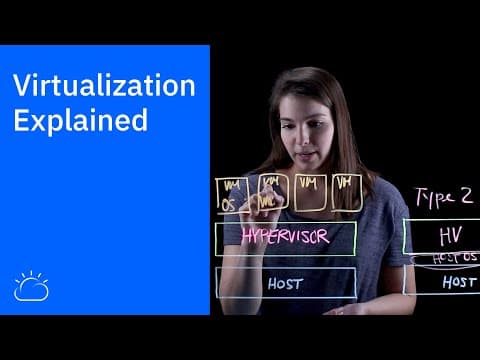
The key to virtualization is the hypervisor, a piece of software that operates above the physical server (or host). Hypervisors manage the allocation of resources from the physical server to the virtual environments. There are two main types of hypervisors:
Type 1 Hypervisors
Also known as bare metal hypervisors, Type 1 hypervisors are installed directly on the physical server. They are the most commonly used hypervisors due to their security and lower latency. Examples include VMware ESXi, Microsoft Hyper-V, and open-source KVM.
Type 2 Hypervisors
These hypervisors are hosted on a layer of operating system that sits between the physical server and the hypervisor itself. Type 2 hypervisors are less common and are primarily used for end-user virtualization. Examples include Oracle VirtualBox and VMware Workstation. They tend to have higher latency compared to Type 1 hypervisors.
Once a hypervisor is installed, it enables the creation of virtual machines (VMs). A VM is essentially a software-based computer that operates like a physical computer, complete with its own operating system and applications. VMs are independent of one another, allowing different operating systems to run simultaneously on the same physical hardware. This independence also makes VMs highly portable, enabling them to be moved between hypervisors on different machines with ease.
Virtualization offers several significant advantages that can enhance an organization's IT strategy:
Cost Savings
By allowing multiple virtual environments to run on a single physical server, virtualization reduces the need for extensive physical infrastructure. This consolidation leads to lower maintenance costs, reduced electricity consumption, and a smaller physical footprint.
Agility and Speed
The process of spinning up a virtual machine is quick and straightforward, making it easier for developers to create new environments for testing and development. This agility accelerates project timelines and enhances productivity.
Reduced Downtime
In the event of a physical server failure, virtualization provides a robust backup plan. VMs can be quickly migrated to another hypervisor on a functioning machine, minimizing downtime and ensuring business continuity.
Virtualization is a foundational technology that continues to play a critical role in cloud computing strategies today. Understanding how virtualization works and its benefits can help organizations optimize their IT infrastructure, reduce costs, and improve operational efficiency. As businesses increasingly rely on cloud solutions, mastering virtualization will be essential for success in the digital age.