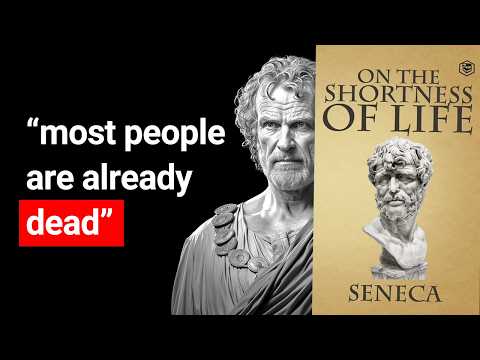
Seneca's 'On the Shortness of Life' emphasizes the importance of valuing time over trivial pursuits. It teaches that life feels short when spent chasing leisure, luxury, and legacy, and encourages living meaningfully by appreciating the present and making conscious choices.
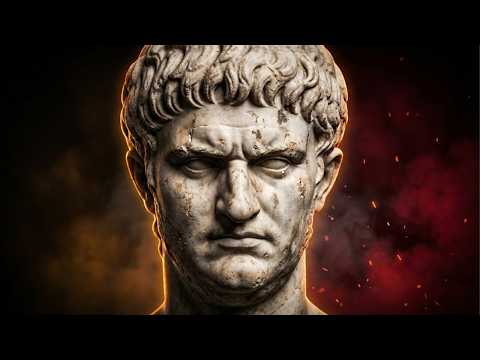
Seneca, a Roman Stoic philosopher, wrote a profound essay titled "On the Shortness of Life" around 49 AD. This 20-page masterpiece serves as a moral guide on how to best utilize our time to lead a fulfilling life. The essence of Seneca's message is captured in his quote: "You act like Mortals in all that you fear and like Immortals in all that you desire."
Seneca's work is a clarion call to end procrastination. He argues that while people are frugal in guarding their personal property, they are often wasteful with their time, which is the one resource they should be stingy with. He presents a thought-provoking analogy: if we had a bank account that deposited $86,400 each day, we would ensure to spend every cent wisely. Yet, we often squander the 86,400 seconds we receive daily on trivial pursuits.
Here are three pivotal lessons derived from Seneca's timeless wisdom:
Seneca posits that life only seems short to those who spend it chasing leisure, luxury, and legacy. To evaluate the worth of an activity, ask yourself: "If I did this for 24 hours straight, what would it amount to?" If the answer is insignificant, it likely falls into the category of trivial pursuits.
Seneca identifies three common distractions:
Seneca warns against deferring what truly matters to future decades, as the future is uncertain. He asserts, "It is not that we have a short time to live, but that we waste a lot of it."
Seneca emphasizes the importance of not merely existing but living a life of value. He uses the metaphor of a ship to illustrate this point: a ship in harbor is safe, but it is not fulfilling its purpose. Similarly, a person may have lived long but not truly lived if they have merely existed without purpose.
He cautions against being tossed about by external influences or the visions of others. Instead, one should navigate their own course and not waste time worrying about things beyond their control.
The final lesson from Seneca is that what is truly important in life cannot be taken from you. True self-worth is derived from within, independent of possessions, time, or power. Seneca encourages us to ground our thinking in two fundamental truths:
These truths remain with you in all circumstances, allowing you to find peace and contentment regardless of external conditions. The choice to be offended or to be content lies within you, and choosing contentment leads to a fulfilling life.
Seneca's "On the Shortness of Life" serves as a timeless reminder to value our time and live meaningfully. By avoiding the traps of leisure, luxury, and legacy, we can appreciate the present and make conscious choices that enrich our lives. Embracing these lessons can lead to a deeper understanding of happiness and fulfillment, ensuring that we do not waste the precious time we have.