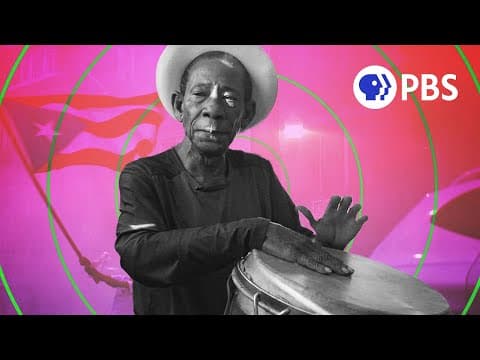
Bomba is a traditional Puerto Rican music and dance genre rooted in African heritage, created by enslaved Africans as a form of expression, storytelling, and resistance. It blends African, Spanish, and Indigenous influences and remains a vital cultural practice today, serving as a platform for healing, community, and activism, including its role in Black Lives Matter protests.
When can dancing be considered a form of protest? In the case of Bomba, a traditional genre of music and dance from Puerto Rico, the answer is clear: Bomba itself is a form of protest. This vibrant art form has recently appeared at many Black Lives Matter protests, symbolizing resistance and cultural pride.
To understand Bomba's significance today, we must travel back about 400 years to the 16th century. Bomba was developed by enslaved Africans in Puerto Rico. These enslaved communities gathered to create music using rhythms and dance as a means of expression. Through Bomba, they told stories, shared news, communicated revolts, and connected with one another.
This gathering through Bomba was known as Bambula, a practice of re-remembering — reconnecting with one’s origins and humanity. In essence, enslaved Africans created culture and affirmed their humanity, which was a powerful act of resistance.
Bomba is the oldest genre of Puerto Rican music, tracing back to African roots. It tells the story of ancestors and is meant for healing. It is a time-traveling genre and fundamentally Black music.
While Bomba’s roots are largely African, it is a blend of many cultural elements, much like other Latinx cultures. Most Bomba songs are in Spanish, but some include words and phrases in Haitian Creole and Kikongo. The use of long ruffled skirts in Bomba costumes reflects Spanish influence.
The indigenous Taino people of Boriken (the original name for Puerto Rico) also influenced Bomba. For example, the term "Batey" refers to the dance space, a Taino word. The use of a single gourd-based maraca, played by the singer to keep time, is another Taino influence.
The drums, called Barriles, are made from barrels such as rum or whiskey barrels, with goat skin drumheads. This resourcefulness reflects the African heritage of the enslaved people who used what was available to them. The Barril is related to the African Djembe family of drums.
Bomba features two types of drums: the Subidor (or Primo), the lead drummer who plays a higher-pitched drum, and the Buleador, who maintains a steady rhythm called the buleo.
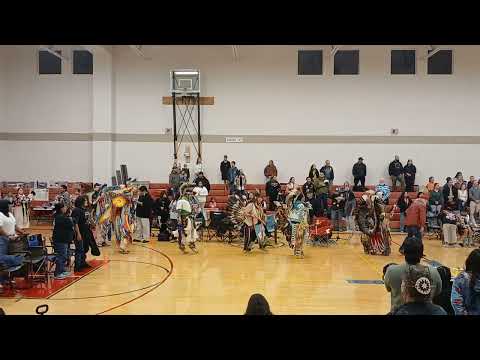
A dancer enters the Batey (dance space) by doing a Paseo, walking in a circle and saluting the Primo drummer. Uniquely, the lead drummer follows the dancer’s movements, striking the drum in rhythm with the dancer’s steps. This creates a conversation between dancer and drummer, where the dancer expresses emotions and thoughts through improvisation, and the drummer responds musically.
For the enslaved Africans who created Bomba, this interaction was one of the few ways to express themselves freely and reclaim their humanity and power.
Bomba has various rhythmic patterns, each associated with different emotions or purposes:
Bomba lyrics are simple and reflect daily life. The lead singer starts with a short chorus, which the community repeats, while the lead singer improvises verses. This call-and-response format is another African influence and encourages audience participation, making every Bombazo (Bomba gathering) a communal event.
Bomba continues to thrive throughout the Puerto Rican diaspora, with families, schools, and performance groups dedicated to preserving and passing on the tradition.
It is much more than music or dance; it is a way of life. For many, Bomba is a source of identity and healing. For example, the Cepeda family of San Juan, one of Puerto Rico’s most famous Bomba families, has passed down the tradition for eight generations and created the first Bomba school.
After Hurricane Maria, Bomba became a balm for those suffering loss, as communities gathered to express pain and find strength through dance and music.
Bomba has become integral to Black Lives Matter movements within the Puerto Rican diaspora. In Loiza, a center of Afro-Boricua culture, Bomba and Plena were central to vigils and protests following the murder of George Floyd.
Bomba’s presence in these movements is a reclaiming of space and identity. It highlights the Afro-Latinx experience and challenges anti-Blackness within Latino cultures. Bomba connects protesters to their African roots and serves as a powerful tool to resist oppression and promote pride in Black identity.
Many practitioners describe Bomba as life itself. It is a connection to ancestors, culture, and self. For some, discovering Bomba is like uncovering a personal history or taking an ancestry test — illuminating and deeply meaningful.
Bomba’s ability to archive stories and histories through music and dance makes it a vital cultural treasure.
Bomba is a rich, multifaceted tradition born from the resilience of enslaved Africans in Puerto Rico. It blends African, Spanish, and Indigenous influences to create a unique musical and dance form that serves as a vehicle for storytelling, healing, and resistance.
Today, Bomba remains a living tradition that empowers communities, preserves cultural identity, and fuels social justice movements. It is a testament to the enduring power of music and dance as tools for resistance and affirmation of humanity.
Bomba is not just music or dance — it is a powerful expression of life, history, and resistance.