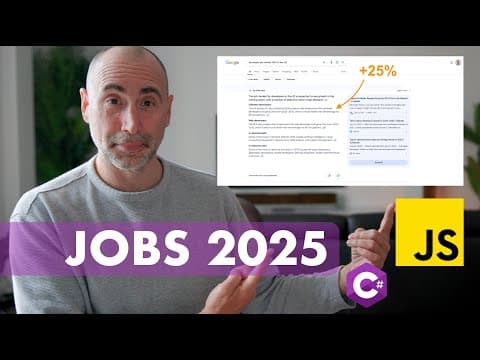
Despite concerns about oversaturation in the developer market due to an influx of graduates and self-taught engineers, the demand for skilled software developers remains strong. Current hiring slowdowns are attributed to previous overhiring during the pandemic and a focus on quality over quantity in hiring practices. Developers are encouraged to build real-world experience and embrace AI as a tool rather than a replacement.
In recent discussions, a pressing question has emerged: Is the developer market becoming oversaturated due to the increasing number of software engineers graduating each year and the rise of self-taught programmers? This blog post aims to address these concerns and provide insights into the current state and future of the software engineering job market.
As of October 1, 2024, the software engineering job market is experiencing a notable shift. Many tech companies are currently in a phase of reevaluation and adjustment following a period of aggressive hiring during the pandemic. This hiring spree was characterized by what some refer to as "defensive hires," where companies brought on as many developers as possible out of fear of missing out on talent. However, as the dust settles, it has become clear that many of these hires were not adequately qualified for their roles.
During the pandemic, tech companies were in a rush to secure talent, leading to a surge in hiring that was not always based on merit. Many companies hired individuals from boot camps or those who had completed online courses without sufficient practical experience. As a result, the current downturn in hiring is not indicative of a lack of demand for developers but rather a correction in the market as companies reassess their workforce and focus on hiring qualified candidates.
The current hiring landscape emphasizes the importance of skills and experience over mere qualifications. Employers are increasingly looking for candidates who possess not only technical skills but also interpersonal skills and professionalism. The cost of hiring new talent is significant, encompassing not just salaries but also the investment in training to ensure productivity.
Looking ahead, the future projections for the developer market remain positive. Despite the rise of artificial intelligence (AI) and automation, the demand for skilled software developers is expected to continue. AI may enhance productivity by 10 to 20%, but it cannot replace the nuanced decision-making and problem-solving skills that developers bring to the table.
AI is often viewed with skepticism, particularly regarding its potential to replace human developers. However, it is essential to recognize that AI serves as a tool to assist developers rather than a replacement. The coding process involves various tasks that require human judgment, creativity, and expertise—qualities that AI cannot replicate.
Historically, the tech industry has seen significant shifts that have transformed development practices. For instance, the transition from code-centric front-end design to page-based development in the late 90s revolutionized productivity. Similarly, the introduction of content management systems like WordPress changed the landscape of web development, allowing for greater efficiency and creativity.
For aspiring developers, the key to success lies in gaining practical experience. Engaging in real projects, even if it means working for free initially, can significantly enhance understanding and skills. This hands-on experience is invaluable and often leads to better job prospects than simply completing tutorials.
Many new developers face imposter syndrome, feeling unqualified to enter the job market. However, coding is unique in that mistakes can be corrected easily, allowing for continuous learning and improvement. Taking on small projects can help build confidence and a robust portfolio.
In conclusion, while there may be a temporary reduction in job openings due to market corrections, the long-term outlook for software developers remains bright. The demand for skilled professionals will persist, and those who focus on building their skills and gaining real-world experience will find ample opportunities. Embracing AI as a supportive tool rather than a threat will further enhance productivity and innovation in the field.
As the tech landscape continues to evolve, developers must adapt and grow, ensuring they remain relevant and in demand in an ever-changing market.