Before publishing your book, it is crucial to follow seven key steps: ensure genre clarity through your cover and first chapter, choose a searchable title, use honest comp titles, craft a compelling one-line pitch, audit chapter lengths, read your manuscript out loud, and pay special attention to chapter two to keep readers engaged. These steps can significantly impact your book's success and reader appeal.
If you have finished your book or are close to finishing it, this guide is for you. Even if you are in the early stages of writing, understanding these steps will prepare you for what lies ahead. Here is a checklist of seven crucial things you absolutely need to do before publication. Missing even one can seriously harm your book's success.
Many authors focus on making their book cover beautiful or capturing the exact image of their characters. However, the most important aspect of your cover is that it instantly communicates the genre to the reader—within half a second or less. This clarity is vital for selling copies.
For example, H.M. Ward's book Scandalous initially sold almost no copies because readers couldn't tell what genre it was. After revising the cover to clearly signal adult romance, the book hit the New York Times bestseller list. The cover's purpose is not just to look good but to promise the reader the genre experience.
After promising a genre with your cover, your first chapter must fulfill that promise by delivering the pleasures of the genre immediately. For instance, a crime novel should introduce a crime in the first chapter, not later. Similarly, a horror novel should start with something horrifying right away.
It's also beneficial to clarify the subgenre on both the cover and in the first chapter, as readers often look for specific niches like cozy mysteries, romantasy, or space opera. The more precise your genre, the easier it is to find your readers.
Can someone easily find your book by searching its title on Google? Titles that are too common or generic can get lost among other media such as movies, shows, or music.
For example, Tabitha Barrett's novel Fallen Angels was hard to find due to many unrelated search results. Renaming it to The Third Throne made it the top search result.
Avoid single-word titles that are too broad. Author Kelly DeVos changed her book title from 2020 to Day Zero to improve memorability and searchability.
Remember, your book title competes not only with other books but with all forms of media.
Many authors claim their book is entirely original with no peers, but this often signals a lack of awareness of the market. To convince readers to buy your book, compare it honestly to two or more works they already know and like.
Here are five effective ways to pitch comp titles:
Avoid listing dead authors like Hemingway, as this is less effective. Also, avoid overly popular comparisons like "Harry Potter meets Hunger Games" which can feel cliché.
Don't hesitate to include other media such as musicals, plays, TV shows, or movies if they fit your book.
Craft a one-line pitch that immediately makes someone want to buy your book. This pitch should create surprise, mystery, and intrigue rather than just summarizing the plot.
For example, The Vet's Daughter by Barbara Comyns can be pitched as: "A meek, abused girl in suburban London discovers she can levitate, and the adults around her seek to profit from it."
This pitch contains:
Practice delivering this pitch until it flows naturally, even in casual conversation. Use it on your back cover and whenever you talk about your book.
If you struggle to create such a pitch, it may indicate that the appeal of your book isn't clear to you yet. Spend time identifying what makes your book interesting and what pleasures it offers readers.
Audit the length of each chapter before printing. Make a list of chapters with their word counts to get an overview.
If one chapter is significantly longer than the others (e.g., one 15,000-word chapter among mostly 3,000-word chapters), consider breaking it up. Large discrepancies can confuse readers and disrupt pacing.
Chapter length is a complex topic, and there are valid reasons for varying lengths, but accidental imbalances should be addressed.
Reading your book aloud is one of the most effective ways to catch errors that your eyes might miss, such as dropped words, skipped words, or awkward rhythms.
Your ear can detect issues like unintended rhymes or confusing phrasing. For example, a line like "he tried to hide the pride he felt inside" might sound too rhyming and childish when read aloud.
Also, sentences that can be misread (e.g., "The complex houses married and single soldiers" where "houses" is a verb, not a noun) become clearer when spoken.
While reading aloud, pay attention to:
If you don't have time to read the entire book aloud, use text-to-speech software to listen to your manuscript during activities like walking or exercising.
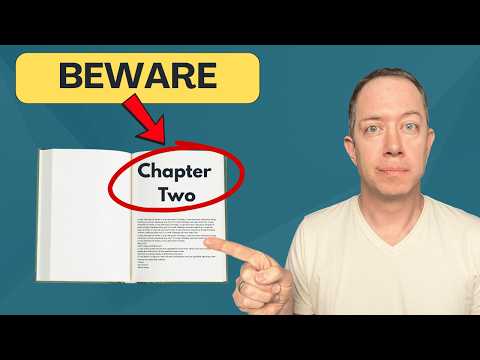
While most authors focus heavily on the first chapter, chapter two is equally critical. Readers usually read the first chapter, but chapter two determines whether they continue.
Ask yourself:
Chapter two must convince readers to keep turning pages.
Following these seven steps will greatly improve your book's chances of success. If you want further guidance, consider joining writing mentorship programs like BookFox Labs, where experienced mentors help authors achieve wild success.
Happy writing!