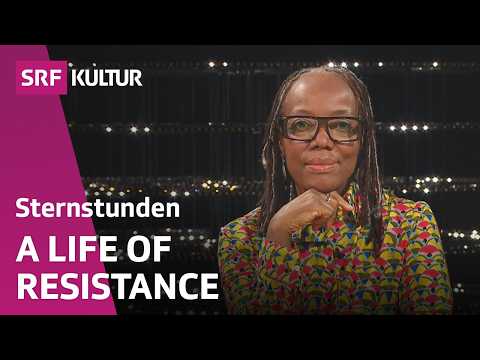
Tsitsi Dangarembga, a prominent Zimbabwean writer and filmmaker, shares her insights on the lingering effects of colonialism, the challenges of systemic racism, and the emergence of African feminism. She discusses her personal experiences, the role of art and literature in healing, and the importance of traditional African philosophies like Ubuntu in envisioning a more equitable future.
Tsitsi Dangarembga, a celebrated Zimbabwean author and filmmaker, is recognized as one of Africa's most influential voices. In a profound conversation, she explores the enduring legacy of colonialism, the struggles faced by black women, and the transformative power of African feminism.
Born in Zimbabwe, Tsitsi spent part of her early childhood in England due to her parents' educational pursuits. This separation from her family at a young age left a lasting emotional wound, which she describes as a common trauma among black individuals linked to the colonial empire. Returning to Zimbabwe at age six, she encountered systemic racism firsthand under the apartheid-like regime of Rhodesia.
She recounts experiences of racial segregation, such as being forced to leave a restaurant because of her black guests, and the shock of confronting institutionalized discrimination. Her parents, both educators, instilled in her a sense of resistance and the importance of not accepting injustice.
Tsitsi's passion for theater began in her youth, directing family plays during Christmas gatherings. However, she faced the harsh reality of limited roles for black women in theater, both in England and Zimbabwe. This lack of representation motivated her to start telling her own stories, giving voice to those marginalized.
Her debut novel, "Nervous Conditions," became a bestseller and is part of a trilogy that addresses themes of poverty, racism, and sexism through the journey of a young girl overcoming adversity. The path to publication was challenging, with her manuscript initially ignored by publishers until a personal encounter in London led to its eventual success.
Writing, for Tsitsi, is a way to cleanse and confront the wounds inflicted by colonialism and patriarchy. It is not about healing in the traditional sense but about preventing further harm and raising awareness.
Tsitsi identifies as a representative of black feminism, which she distinguishes from white feminism by its critique of capitalism and private property. She explains that traditional African societies had different forms of patriarchy, where women held particular status and rights, contrasting with the oppressive systems introduced through colonialism and capitalism.
She highlights ongoing issues in Zimbabwe, such as child marriage and forced marriages, and the efforts by young people and institutions to raise awareness and combat these practices. Despite legal measures, changing deep-rooted cultural norms requires sustained education and activism.
Currently based in Berlin, Tsitsi studies traditional African philosophies like Ubuntu, which emphasizes community, reciprocity, and collective wellbeing. She refers to her concept of "Ubuntu 2.0," envisioning a modern adaptation of these values to foster social harmony and sustainable living.
Ubuntu teaches that individual wellbeing is interconnected with the wellbeing of others, and society must work together to maintain balance. This philosophy offers a potential framework for addressing global challenges and creating a more just world.
Living and creating art in Zimbabwe involves navigating political repression and censorship. Tsitsi has faced arrest for her activism, particularly during protests against corruption and for better governance.
She views her artistic expression—whether through film, literature, or public speaking—as a form of dialogue and resistance. Peaceful protest and raising awareness are crucial tools for engaging with those in power and advocating for change.
Tsitsi and other African voices challenge the persistent negative stereotypes about the continent, such as poverty, war, and corruption. They emphasize resilience, creativity, and the strength of African people.
She cautions against simplistic views that portray Africans as inherently strong or resilient in ways that justify exploitation. Instead, she advocates for recognizing the dignity and excellence of African societies on their own terms.
Tsitsi acknowledges the complex history of colonialism and its lasting wounds but remains hopeful about the potential for global community and mutual understanding. She stresses the importance of recognizing different cultures' excellence and moving beyond hierarchical and binary thinking.
Her focus is on the present moment—how to foster wellbeing and justice now rather than pursuing abstract utopias. She encourages practical actions that enhance the wellbeing of all individuals and communities.
Her name, Tsitsi, means "mercy" or "the grace of God," reflecting a Christian influence from missionary times when African people were often compelled to adopt Christian names. She embraces her name as part of her identity and journey.
Tsitsi Dangarembga's insights offer a powerful lens through which to understand the ongoing effects of colonialism, the rise of African feminism, and the potential of traditional philosophies like Ubuntu to inspire a more equitable and sustainable future. Her life and work exemplify resilience, creativity, and the pursuit of justice in the face of systemic challenges.
Her story encourages us to rethink narratives about Africa, recognize the dignity of all cultures, and engage actively in shaping a better world today.