This article explores the message from Mark 2:18-28, highlighting two major collisions: the incompatibility of Christianity with traditional religious practices and the issue of legalism. It explains Jesus' teachings on fasting, the Sabbath, and the exclusive nature of the gospel, emphasizing grace over legalistic observance and the importance of genuine faith and worship.
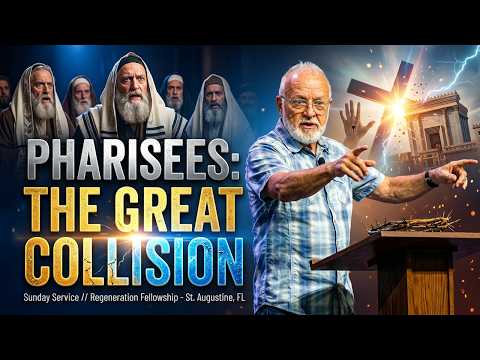
On a special Sunday service, the message centered around the theme of "The Great Collision," derived from Mark chapter 2, verses 18 through 28. This passage reveals two significant conflicts: the clash between traditional religion and the gospel, and the problem of legalism. These issues were present in Jesus' day and remain relevant today.
The passage begins with a question posed to Jesus: Why do John's disciples and the Pharisees fast, but Jesus' disciples do not? Fasting was a well-known religious practice, especially among John's disciples and the Pharisees, who were very pious and observant.
Jesus responds by comparing His presence to a wedding celebration, where fasting would be inappropriate.
Jesus explains that as long as the bridegroom is present, the guests do not fast. The bridegroom represents Jesus Himself, and His presence is a time of joy and celebration, not mourning or fasting. Weddings in Jesus' time were week-long celebrations involving the entire community.
Jesus uses two illustrations to emphasize the incompatibility between His new gospel and the old religious traditions:
These examples show that the gospel is not a mere patch or addition to existing religious systems but a new, transformative reality requiring new structures and understanding.
The second collision involves legalism, particularly regarding Sabbath observance.
Jesus challenges their legalism by citing the story of King David eating the bread of the presence, which was only lawful for priests to eat, during a time of need.
The message from Mark 2:18-28 calls believers to recognize the great collision between the gospel and traditional religious practices, as well as the dangers of legalism. Jesus invites us into a joyous relationship with Him, marked by grace, worship, and rest. As followers of Christ, we are called to embrace the new wine of the gospel in new wineskins, living in the freedom and love that Jesus provides.
The service concluded with a prayer acknowledging God's overwhelming love and grace, asking for forgiveness from legalism and judgment, and seeking the joy and intimacy of salvation through Jesus Christ. The congregation was encouraged to live by faith, trust in God's love, and share the gospel with others.
This message reminds us that Christianity is not about outward appearances or strict adherence to rules but about a transformative relationship with Jesus Christ, the bridegroom who brings joy and salvation to all who believe.