This blog post explores the concept of accelerated learning as presented by Josh Kaufman, emphasizing a five-step methodology to effectively learn new skills in a short time frame. By setting clear goals, deconstructing skills, conducting focused research, removing barriers to practice, and committing to at least 20 hours of practice, anyone can become proficient in a new skill without the need for extensive time investment.
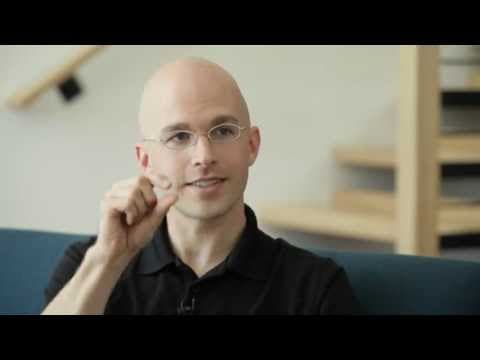
In today's fast-paced world, many individuals feel the pressure to acquire new skills quickly to enhance their personal and professional lives. In a recent episode of Good Life Project, Jonathan Fields interviewed Josh Kaufman, author of "The First 20 Hours," who specializes in accelerated learning. This post summarizes their discussion on how to effectively learn new skills in a short time frame.
Kaufman shares that his motivation for exploring accelerated learning stems from two primary sources:
The conversation touches on the widely known 10,000-hour rule, which suggests that it takes this amount of time to achieve mastery in a skill. Kaufman argues that this is often misapplied. While it may take 10,000 hours to compete at the highest levels in fields like professional sports or music, most people are not aiming for that level of expertise. Instead, they want to become proficient enough to enjoy or utilize a skill effectively, which can often be achieved in much less time.
Kaufman outlines a five-step methodology that anyone can follow to learn new skills efficiently:
Clearly define your target performance level. Instead of vague goals like "I want to learn programming," specify what you want to achieve, such as "I want to create a simple web application." This clarity helps focus your efforts.
Break down the skill into smaller, manageable sub-skills. For example, if you want to learn golf, instead of trying to master the entire game, focus on specific aspects like driving or putting. Identify the few sub-skills that will yield the most significant results.
Conduct just enough research to understand the sub-skills and how to practice them effectively. Instead of reading every book cover to cover, skim multiple resources to identify the most critical components of the skill you want to learn.
Identify and eliminate distractions that prevent you from practicing. This could mean creating a dedicated practice space, setting specific times for practice, or making your learning materials easily accessible. The goal is to make it as easy as possible to start practicing.
Finally, commit to practicing for at least 20 hours. This commitment serves as a psychological check on your motivation and ensures you practice long enough to overcome initial frustrations and see real progress. Kaufman suggests breaking this down into manageable sessions, such as two 20-minute practices each day for a month.
Kaufman emphasizes that the barriers to learning new skills are often emotional rather than intellectual. By following these five steps, anyone can effectively learn new skills without feeling overwhelmed. The key is to approach learning with a structured plan, allowing for both enjoyment and proficiency in new endeavors.
In a world where time is precious, the ability to learn efficiently can lead to a more fulfilling and enriched life. Whether for personal growth or professional development, accelerated learning offers a pathway to achieving your goals in a fraction of the time you might expect.