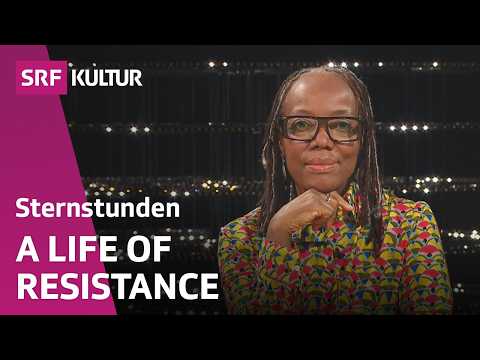
Chimamanda Ngozi Adichie discusses the complexities of identity, the importance of diverse voices in storytelling, and the nuances of feminism in a thought-provoking conversation. She emphasizes the need for honest dialogue about race and gender, the role of storytelling in shaping perceptions, and the necessity of including men in the feminist movement.
Chimamanda Ngozi Adichie, a prominent author and cultural commentator, engages in a profound discussion about identity, feminism, and the importance of honest conversations in today's society. Her insights shed light on the fluid nature of identity and the complexities surrounding race and gender.
Adichie begins by reflecting on how identity is not a fixed concept but rather a fluid one that can change depending on context. She shares her personal experience of living in both Nigeria and the United States, noting that her identity as a Black woman is often foregrounded in America, while in Nigeria, her ethnicity and gender take precedence. This duality highlights how identity can be shaped by external perceptions and societal norms.
Adichie recounts a moment at an airport where she was mistakenly directed to the economy line due to assumptions about her identity. This incident illustrates the real-world consequences of racial stereotypes and the importance of recognizing how identity can influence people's experiences. She emphasizes that in Nigeria, skin color does not carry the same weight as it does in the U.S., where it can lead to assumptions about one's capabilities and worth.
The conversation shifts to the relationship between identity and authorship. Adichie reflects on her early writing, influenced by the stories she read, which often depicted snowy landscapes that were foreign to her. She discusses the emerging trend of "own voices" in literature, where stories are told by those who share the same identity as the characters. While she acknowledges the need for diverse voices, she warns against the reductionist approach that confines storytelling to specific identities.
Adichie expresses concern about the rise of sensitivity readers, who review manuscripts to ensure that no one is offended. She argues that this practice can stifle creativity and lead to a flattening of narratives. True storytelling, she believes, should prioritize emotional truth over the fear of offending others. Adichie advocates for the freedom to explore different perspectives in literature, regardless of the author's background.
The discussion also touches on the discomfort surrounding conversations about race and gender. Adichie encourages people to embrace discomfort as a necessary part of growth and understanding. She highlights the importance of context and intent in discussions about race, urging individuals to engage in dialogue rather than shy away from difficult topics.
Adichie reflects on her journey to understanding feminism, noting that her awareness of gender inequality began in childhood. She emphasizes that feminism should be a movement for justice and equality, not an exclusive club. To achieve true equality, men must also be involved in the feminist movement. Adichie argues that broadening the definition of feminism is essential to creating a society where gender injustice is eradicated.
As the conversation progresses, Adichie addresses the tension between group identity and individuality. She acknowledges the pressure to represent her identity in a certain way while also striving to be true to herself. This balancing act is a common struggle for many individuals who feel the weight of societal expectations.
Adichie concludes by emphasizing the power of storytelling in shaping perceptions and challenging stereotypes. She believes that by sharing diverse narratives, society can foster greater understanding and empathy. The conversation serves as a reminder of the importance of honest dialogue in addressing issues of identity, race, and gender.
Chimamanda Ngozi Adichie's insights into identity, feminism, and the necessity of honest conversations resonate deeply in today's world. Her call for inclusivity, understanding, and the courage to engage in difficult discussions is a powerful reminder of the role each individual plays in shaping a more equitable society. Through her work, Adichie continues to inspire others to embrace their identities and advocate for change.