This blog post explores the significant contributions of Eduardo Matos Moctezuma to the excavation of the Great Aztec Temple, highlighting the historical context, archaeological findings, and the cultural importance of these discoveries in understanding Mexican identity.
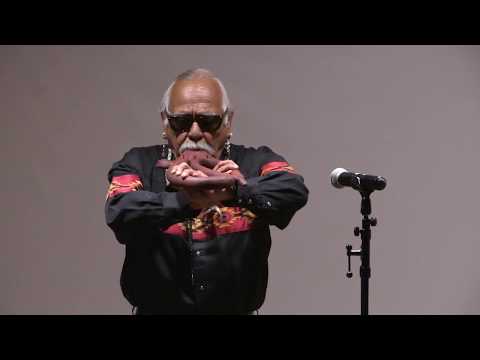
The evening began with a musical presentation by Professor Jose Cuellar, setting the stage for a significant gathering that celebrates the collaboration between Harvard University and Mexico's cultural heritage. This event, supported by various esteemed institutions, aims to bridge educational resources and cultural excellence.
The gathering recognized three pivotal figures:
Eduardo Matos Moctezuma began his archaeological journey 40 years ago, inspired by the works of C.W. Ceram. His early experiences at significant archaeological sites like Teotihuacan and Cholula laid the groundwork for his future discoveries at the Great Temple in Mexico City.
The Great Temple, once the heart of Tenochtitlán, was largely destroyed during the Spanish conquest. However, archaeological efforts initiated in 1978 revealed its remnants, showcasing multiple construction phases. The temple's significance is underscored by its role as a sacred site, where the Aztecs honored their gods of water and war.
The excavation revealed:
Matos Moctezuma emphasized that archaeology serves as a lens through which we can understand Mexican identity. He quoted Octavio Paz, who described the Mexican historical journey as one of seeking origins and reconnecting with the universe.
Among the notable discoveries were:
Matos Moctezuma's work has led to numerous publications and collaborative projects, ensuring that the findings from the Great Temple are shared with a broader audience. His commitment to education and dissemination of knowledge has inspired many students and researchers.
Matos Moctezuma stressed that without publication, archaeological work remains obscure. His efforts have resulted in over 1,200 published works related to the Great Temple, contributing significantly to the field of Mesoamerican studies.
Eduardo Matos Moctezuma's excavations at the Great Aztec Temple have not only uncovered the physical remnants of a great civilization but have also sparked a deeper understanding of Mexican identity and heritage. His work exemplifies the vital role of archaeology in connecting past and present, fostering a sense of pride and continuity in Mexican culture. As we reflect on these discoveries, we recognize the importance of preserving and sharing this knowledge for future generations.