This blog post delves into food anthropology, examining how cultural beliefs shape food preferences, the significance of food in social relationships, and the evolution of dietary practices across different societies. It discusses various modes of subsistence, the symbolic meanings of food, and the impact of culinary traditions on identity.
Food anthropology is a fascinating field that examines the intricate relationship between food, culture, and society. It encompasses food ways, which refer to the structured beliefs and behaviors surrounding the production, distribution, and consumption of food. This discipline recognizes food not only as a source of nutrition but also as a conduit for symbolic meaning and social relationships.
One of the key insights of food anthropology is that what is considered food varies significantly across cultures. For instance, while some people may find certain foods disgusting, others may consider them delicacies. Examples include cheese, rotten shark flesh, and insects like caterpillars and spiders. This illustrates how cultural norms shape our food preferences and highlights the processes of cultural construction, symbolism, group identity, and cultural change.
Food ways are governed by specific rules that dictate how people categorize food, hunt and gather, cultivate plants, and share meals. In supermarket economies, food is often viewed as a material good, whereas in cultures like the Hua of Papua New Guinea, food is imbued with mystical properties. For the Hua, eating food connects the consumer with the producers, imbuing them with the essence of the organisms consumed. This belief system leads to strict rules regarding food preparation, sharing, and consumption.
Food also serves as a powerful means of communication, conveying symbolic meanings and messages. It can unite people, as seen with comfort foods that evoke feelings of home and family. Conversely, food can also delineate social boundaries, with preferences, etiquette, and taboos marking ethnic, regional, and class distinctions. For example, in Renaissance England, sumptuary laws restricted certain foods to the upper classes, highlighting the unequal power relations embedded in food consumption.
Food waste is a dynamic concept that evolves due to various factors, including environmental changes and shifts in dietary habits. For instance, the rise of instant ramen noodles exemplifies how industrially produced foods can become staples in diverse food systems due to their affordability, long shelf life, and ease of preparation.
The advent of food production has significantly altered human life and societal organization. Various modes of subsistence include:
Foraging economies rely on natural resources for sustenance, with individuals gathering food from their environment rather than cultivating it. This method has persisted in areas where food production is challenging.
Horticulturalists utilize simple tools and practice shifting cultivation, such as slash-and-burn techniques. They cultivate a plot until the soil is depleted, then allow it to rest, enriching it with the burned material before returning to it later.
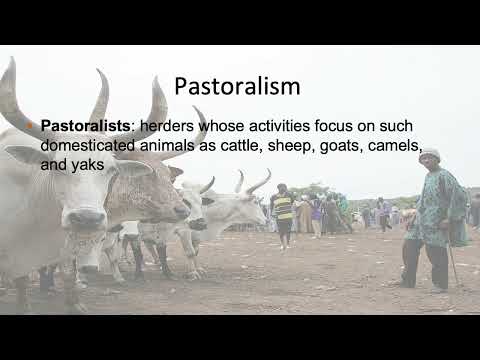
Pastoralists focus on domesticated animals, ensuring their reproduction and utilizing them for food and other products. They may practice pastoral nomadism, following herds throughout the year, or transhumance, where only part of the group moves with the herd.
Agriculture involves intensive and continuous land use, often employing mechanization and irrigation. This method allows for the cultivation of the same plot year after year, contrasting with the more transient practices of horticulture.
Food artifacts, such as hearths, pottery, and butchered animal bones, provide insights into early human diets and evolution. The study of food waste encompasses a society's collection, production, and consumption of food, revealing much about cultural practices.
Culinary traditions play a crucial role in shaping cultural identity. Many contemporary individuals seek to revive their culinary heritages, restoring traditional seeds, recipes, and cooking techniques. This revival often serves as a means of asserting cultural identity.
Certain foods are closely associated with specific cultures, such as:
Food practices are often influenced by health movements and dietary philosophies. Notable diets include:
In Japan, rice is a sacred symbol of national identity, deeply intertwined with cultural memory. The cultivation of short-grain rice, preferred by the Japanese, has historical significance and continues to represent cultural purity and identity.
Food anthropology provides valuable insights into how food shapes and is shaped by cultural practices, social relationships, and identity. By understanding the diverse food ways and their meanings, we can appreciate the complex role food plays in our lives and societies.