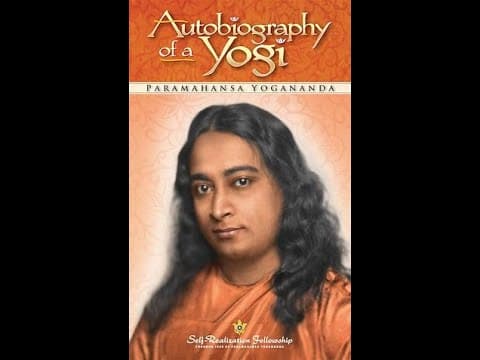
This blog post delves into the life and teachings of Paramahansa Yogananda, as narrated in his autobiography. It covers his early life, spiritual journey, encounters with various saints, and the profound wisdom he gained, emphasizing the importance of meditation, self-realization, and the pursuit of divine consciousness.
The autobiography of Paramahansa Yogananda is a profound narrative that offers insights into the life of one of India's most revered spiritual figures. Written not by an outsider but by a yogi himself, this book serves as a window into the extraordinary lives and powers of modern Hindu saints. Yogananda's journey is both timely and timeless, revealing the depths of the Hindu mind and heart, as well as the spiritual wealth of India.
Yogananda, born Mukunda Lal Ghosh, grew up in a family that valued spirituality. His parents, both of saintly nature, instilled in him a love for the scriptures and a deep respect for the divine. Mukunda's early memories included vivid recollections of a past life as a yogi in the Himalayas, which shaped his spiritual aspirations from a young age.
His father, a mathematician and logician, was kind yet stern, while his mother was nurturing and loving. The balance of their personalities created a harmonious environment that fostered Mukunda's spiritual growth. After his mother's passing, Mukunda experienced a profound sense of loss, which propelled him further on his spiritual quest.
Yogananda's journey led him to various saints, including Sri Yukteswar Giri, who became his guru. Sri Yukteswar's teachings emphasized the importance of meditation and self-realization. Mukunda's encounters with other saints enriched his understanding of spirituality and the divine.
Meditation became a cornerstone of Yogananda's spiritual practice. He learned the technique of Kriya Yoga, which he later taught to others. This practice allowed him to connect deeply with the divine and experience profound states of consciousness.
In 1920, Yogananda traveled to the United States as an emissary of his guru. His mission was to spread the teachings of Kriya Yoga and introduce Western audiences to the spiritual wisdom of India. His lectures and writings captivated many, and he became a bridge between Eastern and Western spiritual traditions.
Yogananda's teachings emphasized the unity of all religions and the importance of direct personal experience of God. He encouraged individuals to seek their own spiritual paths and provided practical guidance on how to achieve self-realization through meditation.
The autobiography is not just a recounting of events but a deep exploration of Yogananda's spiritual insights. It includes stories of his encounters with various saints, his experiences in meditation, and the lessons he learned along the way. Each chapter reveals a facet of his journey, illustrating the challenges and triumphs he faced.
Paramahansa Yogananda's autobiography is a treasure trove of spiritual wisdom and insight. It serves as a guide for those seeking to deepen their understanding of themselves and their connection to the divine. Through his life story, Yogananda inspires readers to embark on their own spiritual journeys, reminding us that the quest for self-realization is a universal pursuit that transcends cultural and religious boundaries.